An emergency plumbing checklist helps limit damage before a plumber arrives. Find the danger, shut off the water, and keep people away from unsafe areas. Protect floors and belongings, avoid electrical risks, and write down what happened. These steps help Plumbing Orlando Florida prepare for urgent work in Orlando.
Table of Contents
- What should you do first during a plumbing emergency?
- How do you shut off the water during a plumbing emergency?
- How can you reduce water damage before the plumber arrives?
- What should you do about a burst pipe or major leak?
- How should you respond to an overflowing toilet or backed-up drain?
- What should you check when a water heater suddenly fails?
- What information should you give the emergency plumber?
- Frequently Asked Questions
- Conclusion
What should you do first during a plumbing emergency?
Start by finding the source and moving people away from danger. A plumbing emergency may involve a burst pipe, fast leak, sewage backup, or failed water heater. Keep children, pets, visitors, and workers away from wet or unsafe spaces. The emergency plumbing checklist should begin with safety, not cleanup.
How to identify the source and immediate danger
Look for dripping ceilings, wet walls, damaged floors, hissing sounds, or water near fixtures. Check if the water looks clean or dirty. Water from a supply pipe may be clean. Water from a drain or toilet may carry harmful germs.
A leak near outlets, appliances, panels, or wiring needs extra care. Do not step into standing water if electricity may be present. Leave the area and call emergency services if there is a risk of shock, fire, serious injury, or a falling ceiling. A licensed plumber can address the plumbing after the area is safe.
When to evacuate an area or call emergency services
Leave the area if water reaches electrical equipment, a ceiling sags, sewage rises, or you smell gas. A suspected gas leak needs quick action. Leave at once and call the gas utility or emergency services from a safe place. Plumbing workers should not handle a fire or active electrical danger.
Plumbing Orlando Florida can assess urgent plumbing problems after these dangers are controlled. Tenants should also tell the owner or property manager. Businesses should close wet or unsafe areas until someone checks the problem. This keeps customers and staff away from possible injury.
How do you shut off the water during a plumbing emergency?
Shutting off the water can limit damage quickly. The main shutoff valve controls water entering the building. It may be near the water meter, where the service line enters the home, or in a basement, crawl space, garage, utility room, or outside wall. Each household should know its location before an emergency.
Finding the main water shutoff valve
The valve may have a round handle or a lever. Turn a round handle clockwise until it stops. Turn a lever until it crosses the pipe. Do not force a stuck valve. Force may break the valve or the pipe. If the main valve will not close, contact the water provider or an emergency plumber.
After closing the valve, open a low faucet for a short time. This may release pressure left in the pipes. Watch the faucet and the leak as you do this. If water still flows from the supply line or meter, the issue may sit outside the home’s private plumbing system.
Turning off fixture-specific water supplies
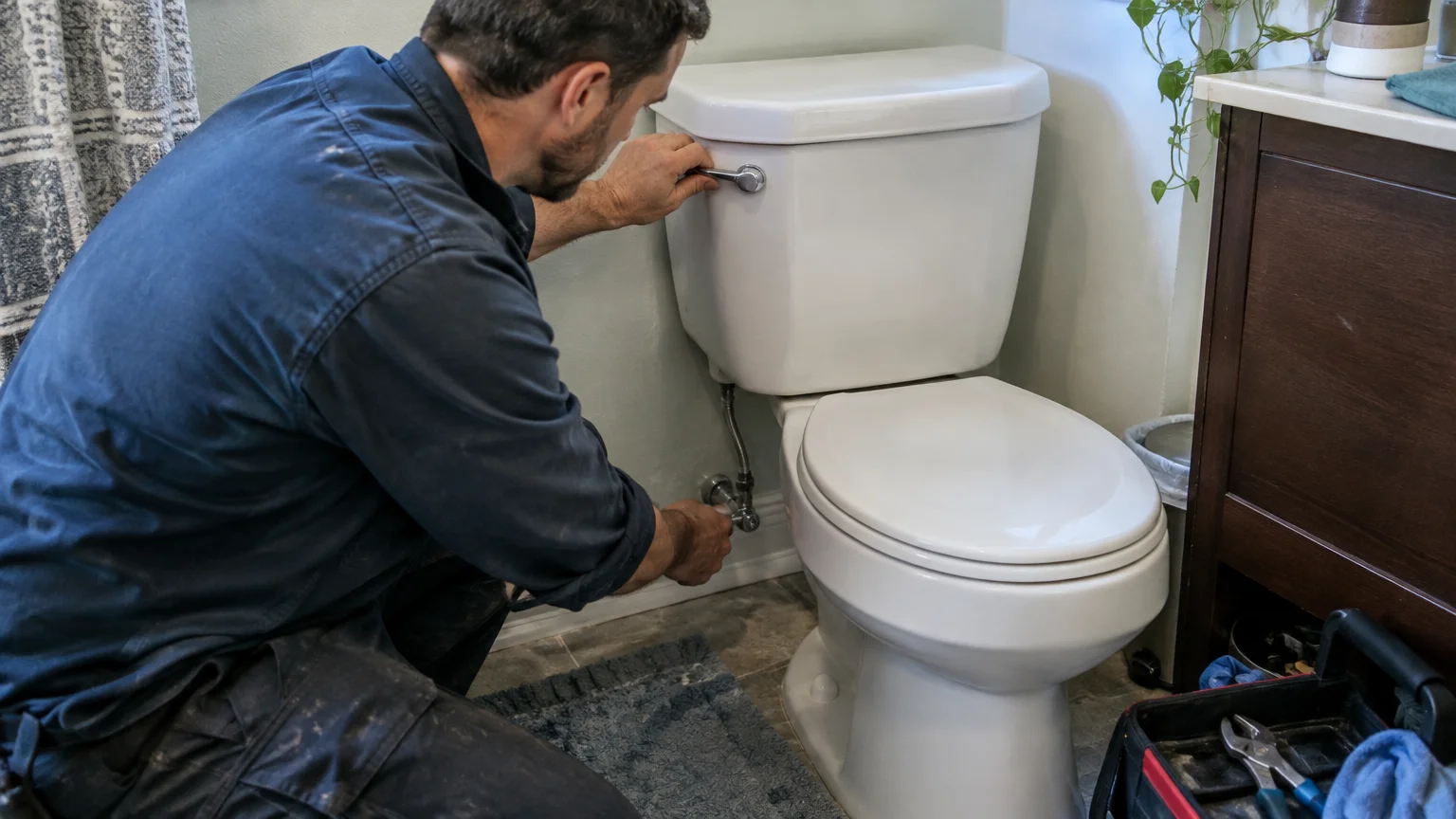
A toilet, sink, dishwasher, washing machine, or water heater may have its own shutoff valve. Close the valve behind a toilet or below a sink by turning it clockwise. Appliance valves may sit behind or below the unit. Washing machine valves are often on the wall behind the machine.
Fixture valves help when only one item leaks. They allow other parts of the building to keep working. Stop if a valve feels stiff, rusty, or damaged. Tell the plumber which valves you checked and whether the water flow changed.
How can you reduce water damage before the plumber arrives?
After controlling the water, protect the building and your belongings. Move furniture, rugs, boxes, electronics, and other items away from the wet area if it is safe. Use towels, buckets, and plastic containers for small drips. Do not create another hazard while trying to save property.
Protecting floors, walls, furniture, and belongings
Place towels around a small leak to slow the spread. Lift furniture legs with blocks or move furniture to a dry room. Do not carry heavy objects through deep water. Open cabinet doors under a sink when the area is safe. This lets air reach hidden moisture.
Do not cut into a wall or ceiling to chase a leak. The source may sit far from the visible stain. A plumber has the right tools to trace the problem. Take photos before major cleanup. Clear photos can help with property records and insurance claims.
Handling standing water and electrical hazards
Standing water needs care. Do not use a household vacuum unless it is made for water and the electrical setup is safe. Do not use fans, pumps, or appliances in wet areas if cords, plugs, or controls may be damaged. Keep people away from water near outlets and electrical panels.
Clean water from a small supply leak may be wiped up when power is clearly safe. Sewage, toilet overflow, and drain water need stronger care. Wear gloves and keep dirty items away from food areas. After plumbing repair, a water damage worker may need to dry and clean the space.
What should you do about a burst pipe or major leak?
A burst pipe needs fast water shutoff and careful containment. The emergency plumbing checklist should note the leak’s location, size, and movement. Do not attempt a permanent repair with tape, glue, or tools unless a qualified professional gives clear instructions. Temporary steps should only limit damage until help arrives.
Temporary steps for exposed or accessible pipe damage
If the pipe is visible and the main water is off, place a bucket below the opening. Use towels to guide drops into the bucket. Do not wrap towels around electrical cords or fixtures. A rubber patch or repair clamp may help in some cases, but it is not a lasting repair.
Pipes may burst from freezing weather, rust, impact, high pressure, or a failed connection. A leak may also hide inside a wall or under a floor. Do not use a torch or open flame. Heat can start a fire or damage nearby materials.
Information to document for the emergency plumber
Write down where the pipe is located and when the leak began. Note whether the water slowed after you closed the main valve. Take photos of the pipe, nearby damage, shutoff valves, and warning signs. Keep broken parts only if they can be removed safely. Do not take the plumbing apart.
These details help Plumbing Orlando Florida prepare for the visit around Orlando. This includes Downtown, College Park, Winter Park, Baldwin Park, Conway, MetroWest, and nearby areas. Tell the plumber the pipe material, recent weather, past repairs, and whether water reached another room. Clear details can make the inspection easier and help protect hidden parts of the building.
How should you respond to an overflowing toilet or backed-up drain?
Stop an overflowing toilet at once. Push the handle back to its normal position, then close the small valve behind the toilet. If water still rises, lift the tank lid and raise the float or close the tank flapper. Do not flush again because more water may reach the floor.
Stopping an overflowing toilet safely
Wear gloves when water may contain waste. Keep children and pets out of the bathroom. If more than one fixture backs up, stop using sinks, tubs, showers, and toilets. Several blocked fixtures may show a larger drain problem, not one toilet clog.
Do not remove a toilet or open a cleanout unless you understand the risk of sudden sewage release. A backed-up drain can spread dirty water fast. Tell the plumber which fixtures are affected and whether the problem changes when another fixture runs.
Why chemical drain cleaners can make the problem worse
Chemical drain cleaners may harm skin, damage pipes, and create unsafe fumes. They may also leave caustic liquid inside a blocked drain. That liquid can splash when a plumber opens the pipe or uses drain tools. Tell the plumber about any product already used.
A hair strainer, careful cleaning, or a plunger may suit a small, isolated clog. You do not need a professional for routine strainer cleaning or one basic plunger attempt when no sewage is present. Repeated clogs, slow drains throughout the building, or foul water need professional testing and plumbing repair.
What should you check when a water heater suddenly fails?
A failed water heater may cause no hot water, a leak, odd sounds, or a safety concern. First, look for active leaking around the tank, connections, drain valve, or pressure relief area. Keep people away from hot water and wet electrical parts. Do not open panels or remove safety controls.
Safe checks for leaks, pressure, and unusual sounds
Check whether other fixtures have hot water. A whole-building loss may point to the water heater or its fuel and power supply. Look for error messages on a tankless unit without removing covers. Note banging, popping, hissing, rumbling, or repeated cycling. These sounds can help the plumber find the cause.
For a gas water heater, do not relight the unit if you smell gas or see poor ventilation. Leave the area and contact the gas utility or emergency services. For an electric unit, do not touch the breaker or wiring when the floor is wet. A professional can test the system safely.
When to avoid touching the water heater
Avoid touching a leaking tank, hot discharge pipe, pressure relief valve, gas connection, or damaged electrical panel. Water from a heater may cause serious burns. A tank leak can also worsen without warning. Move people away and shut off the water only if the valve is safe to reach.
Plumbing Orlando Florida helps homeowners with water heater repair, leak checks, and other urgent plumbing needs. The needed work depends on the unit type, damage, access, and failed parts. A plumber should explain the repair before work begins.
What information should you give the emergency plumber?
Give a short, clear, and honest report. State what happened, when it began, what areas are affected, and what steps you took. Explain whether the water is clean, dirty, hot, or still moving. Mention any shutoff valve that will not close.
Details that help the plumber prepare for the repair
Useful details include:
- The exact room, fixture, pipe, or appliance involved.
- Whether one fixture or several fixtures are affected.
- The location of the main and local shutoff valves.
- Any recent repair, cold weather, renovation, or unusual sound.
- Whether a drain cleaner or other chemical was used.
- Whether water reached walls, ceilings, floors, outlets, or belongings.
Tenants should share the property manager’s instructions and access rules. Business owners should explain operating hours, customer areas, and closed sections. Property owners should give safe entry details and mention past plumbing work.
Key takeaways for preventing further damage
The most important steps are simple:
- Shut off the main or fixture water supply when it is safe.
- Keep people away from sewage, hot water, electricity, and weak ceilings.
- Do not use open flames, damaged equipment, or harsh drain chemicals.
- Photograph the problem and record what changed after shutoff.
- Tell the plumber about products used and valves that failed.
You can prepare by labeling shutoff valves and keeping gloves and buckets nearby. Learn where the main valve sits before trouble starts. Routine cleaning may prevent some clogs, but hidden leaks and major failures need professional testing.
Frequently Asked Questions
What should someone do if a pipe bursts in the home?
Shut off the main water valve if it is safe, then move people away from wet electrical areas. Place a container below a visible leak and protect belongings without entering unsafe water. Take photos and contact an emergency plumber. Do not use heat, flames, or permanent repair methods without professional guidance.
How can someone find a plumbing leak?
Check exposed pipes, ceilings, walls, cabinets, toilets, and appliances for wet spots, stains, sounds, or mold. A water meter that moves when all fixtures are off may suggest hidden flow. Do not cut into walls to search. A plumber can use leak detection tools to inspect concealed lines.
How can someone find a water leak in the house?
Start with toilets, faucets, water heaters, washing machines, and visible supply lines. Look for warped flooring, bubbling paint, damp cabinets, or a musty smell. If the source is unclear, close the main valve and see if the water stops. Professional testing may be needed for hidden leaks.
Is it safe to use a chemical drain cleaner during an emergency?
Chemical drain cleaner is usually a poor choice during an urgent blockage. It can damage pipes, create fumes, and leave harmful liquid in the drain. A plunger may help with a small, isolated clog. Stop using fixtures and call a plumber when sewage rises, several drains back up, or the clog returns.
When should a homeowner call an emergency plumber?
Call when water will not stop, a pipe bursts, sewage backs up, or a major leak threatens the building. Call when a water heater becomes unsafe as well. Electrical danger, gas smells, fire, and structural risks need emergency services first. A plumber can respond after the immediate danger is controlled.
Conclusion
The right first steps can limit water damage and protect people. Shut off water when safe, avoid electrical and sewage hazards, and record what happened. Simple upkeep is fine for minor clogs and routine checks. Burst pipes, hidden leaks, and unsafe water heater problems need a licensed professional.
Plumbing Orlando Florida supports urgent plumbing needs across Orlando. Find out more about our emergency plumbing in Orlando, Florida. Contact us today for help with emergency plumbing repairs and guidance on the next safe step.