Faucet repair cost depends on the faucet type, damaged part, access, corrosion, and urgency. A worn washer or cartridge is often a smaller repair than a full replacement. Hidden damage can change the work needed. In Orlando, a careful check helps property owners choose a safe and lasting fix.
Table of Contents
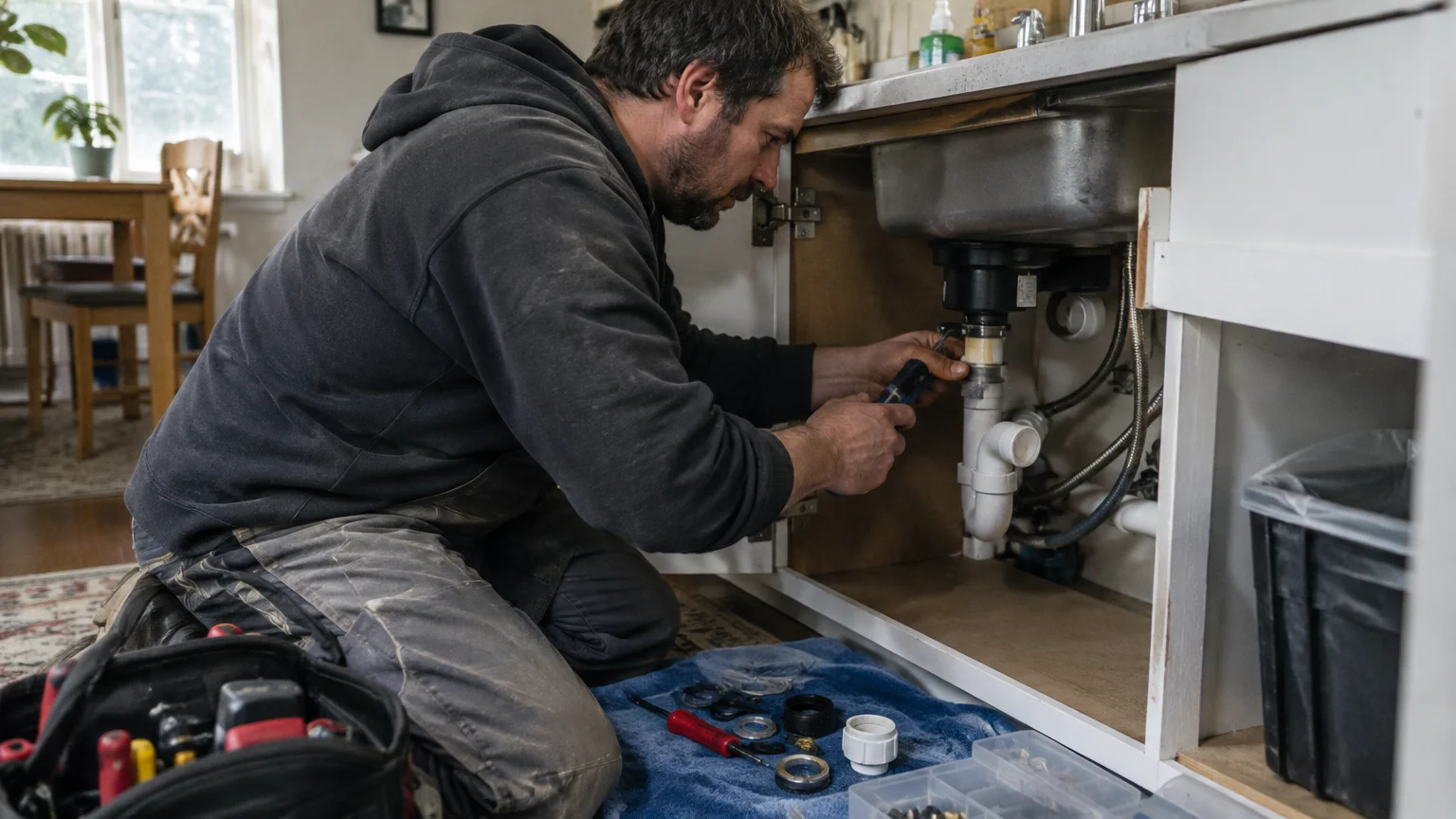
- How much does faucet repair cost?
- What types of faucet problems usually need repair?
- How much does it cost to repair different faucet types?
- What affects the difficulty of a faucet repair?
- Can you repair a faucet yourself?
- When should you repair or replace a faucet?
- How can homeowners prevent expensive faucet problems?
- Key takeaways
- Frequently Asked Questions
- Conclusion
How much does faucet repair cost?
Faucet repair cost changes from one job to the next. A simple washer, seal, or cartridge repair is often less involved than replacing the whole fixture. A corroded faucet, tight cabinet, or damaged supply line can add work. The final cost is confirmed on a quote after a plumber checks the faucet and nearby pipes.
What factors influence the total repair cost?
The faucet model is one of the first things to check. Common models often use parts that are easy to find. Older or unusual fixtures may need special seals, cartridges, or handles. Parts can also be hard to remove after years of use.
Location matters as well. A faucet above an open cabinet is often easier to reach. A bathroom faucet may leave little room beneath the basin. A wall-mounted fixture can need more care because its connections sit inside or behind the wall.
Water damage may add to the repair. A small drip can stain a cabinet or damage flooring. A slow leak under a sink may harm shutoff valves or supply lines. These nearby parts should be checked before the faucet work starts.
Urgency can affect the work too. A faucet that will not shut off needs quick attention. This helps limit water damage. A small drip may allow time to find the right model and part, but it should not be ignored.
How does repair compare with faucet replacement?
Repair often makes sense when the faucet body is still sound. It is also a good choice when one part has failed. Replacement may be better when the fixture is badly corroded, fails often, or no longer fits the sink.
A replacement involves more than choosing a style. The new fixture must match the sink holes, supply lines, and space below the counter. The plumber may also check the shutoff valves and flexible lines during the work.
Plumbing Orlando Florida helps property owners compare these options in Orlando. The choice should consider safety, water use, expected service life, and the chance of more repairs. A quote should explain the work needed before the job begins.
What types of faucet problems usually need repair?
Most faucet repairs involve leaks, weak flow, loose parts, or damaged internal controls. The visible symptom does not always show the cause. Water may come from the spout, handle, base, or connections beneath the sink.
Leaks, drips, and water pressure problems
A dripping faucet may have a worn washer, seal, cartridge, or valve seat. A leak around the handle may come from a damaged O-ring or loose part. An O-ring is a small rubber ring that seals a joint.
Water around the faucet base may come from a failed seal or loose mounting hardware. Water under the sink may come from the supply line or shutoff valve instead. Finding the source helps prevent the wrong repair.
Low flow can come from a blocked aerator. An aerator is the small screen at the end of many faucet spouts. It mixes air with water and can collect grit or mineral deposits. Cleaning it may restore normal flow.
Low pressure at one fixture may point to a faucet problem. Low pressure throughout the property may signal a wider plumbing issue. Other causes include a closed valve, blocked supply line, pipe buildup, or a problem with the main water supply.
Loose handles, damaged cartridges, and broken components
A loose handle may only need a screw tightened. If the handle turns without changing the water flow, the cartridge or stem may be damaged. A cartridge is an inside part that controls water flow and temperature.
Other problems include a cracked sprayer, broken pull-out hose, damaged diverter, or stiff handle. A diverter sends water between outlets, such as a tub spout and showerhead. These parts can often be changed when the main faucet body remains sound.
Do not force a stuck handle. Too much force can break the fixture or damage the valve below it. A lasting leak, sudden loss of flow, or water near electrical equipment needs prompt attention.
How much does it cost to repair different faucet types?
Different faucet types use different parts and connections. Kitchen, bathroom, shower, and bathtub fixtures may look alike, but their repairs can vary. The final cost is confirmed on a quote after the fixture and plumbing connections are checked.
Kitchen, bathroom, shower, and bathtub faucets
Kitchen faucets may include pull-out sprays, side sprayers, flexible hoses, or touch controls. These added parts create more possible failure points. A loose hose, blocked spray head, or bad diverter may cause the main symptom.
Bathroom sink faucets may have one or two handles. Leaks can form around the base, spout, or handles. Tight space below the basin can make access harder, especially when old fittings or stored items block the work area.
Shower and bathtub faucets may use pressure-balancing valves, diverters, or hidden trim. A pressure-balancing valve helps keep the water temperature steady when pressure changes. Repairs may need careful access to the valve behind the wall.
Commercial fixtures may use sensors, timed shutoff parts, or stronger parts for frequent use. Business owners should consider downtime and customer access as well as the fixture. A professional should check any leak that affects a public area or several connected fixtures.
Single-handle, two-handle, pull-out, and touchless faucets
Single-handle faucets often use a cartridge or ball control. Two-handle faucets may use separate stems or cartridges for hot and cold water. The correct part depends on the brand and model.
Pull-out and pull-down faucets use a hose that moves through the spout. The hose may kink, split, or lose its connection. The spray head may also collect sediment or mineral buildup.
Touchless faucets use sensors, batteries, wiring, and control parts. A sensor issue may not be a water valve issue. Batteries, wiring, or a dirty sensor window can affect operation, but electrical parts need care.
A water heater problem is different from a faucet problem. A plumber for water heater repair may be needed when hot water is missing across the property. A faucet specialist is more suitable when one fixture has a flow or temperature issue.
What affects the difficulty of a faucet repair?
A repair becomes harder when the fixture is hard to reach, the connections are corroded, or damage extends beyond the faucet. A careful check can separate a simple part change from a wider plumbing repair.
Access, fixture condition, and plumbing connections
Under-sink access may be limited by cabinets, drawers, storage, or a deep basin. The plumber needs room to turn tools and protect the cabinet from water. Clear access can help the check move more smoothly.
Old fixtures may have mineral deposits or corrosion around nuts and threads. Corrosion is damage that occurs when metal reacts with water, air, or chemicals. Corroded parts may not loosen easily and can break during removal.
The supply lines and shutoff valves should be checked too. A new faucet cannot work safely if the old connection leaks or the valve will not close. Connected parts may need repair to prevent another leak soon after the faucet work.
A faucet mounted through stone, tile, or a thick counter needs extra care. The mounting surface must stay protected. A professional can also check for moisture beneath the counter or inside the cabinet.
Parts availability, corrosion, and hidden damage
Correct parts matter. A similar-looking cartridge may not seal if its size or shape differs. The brand and model can help identify the right piece. A clear photo and a note about the symptoms can help with the first check.
Hidden damage is common when a leak lasts for a long time. Cabinet panels may swell, flooring may stain, and mold may grow in damp areas. Dry visible moisture and address the source quickly.
Some faucet repairs uncover damaged wall connections or supply pipes. The work may then involve more than the fixture. A local fixture plumber can explain what needs attention and which plumbing repair should come first.
Can you repair a faucet yourself?
A homeowner does not always need a professional for simple checks and cleaning. Safe DIY work is possible when the water can be shut off and no special risk is present. Professional help is safer when the shutoff fails, the leak is hidden, or pipes are damaged.
Repairs suitable for experienced homeowners
Homeowners can often clean an aerator, remove visible debris, tighten a loose handle, or replace touchless faucet batteries. Turn off the water before removing parts. Keep a towel or small container nearby for leftover water.
A homeowner can inspect the cabinet for dampness and see whether the leak is above or below the sink. Do not use the fixture if water reaches an outlet, appliance, or other electrical equipment.
Follow the maker’s instructions for any repair. Keep small parts in order. If a fitting will not move with gentle pressure, stop rather than damage the faucet or pipe.
When professional plumbing help is the safer choice
A professional should assess a leak that continues after the water is shut off. The same applies to a valve that will not close or a badly corroded connection. A plumber should handle leaks inside walls, ceilings, floors, or cabinets when the source is unclear.
Gas appliances and water heaters need extra care. Never use a flame to test for a gas leak. Leave the area, avoid switches and flames, and contact the gas utility or emergency services from a safe place.
Professional help is also wise when a toilet keeps running after basic checks, when a toilet bowl fill valve needs repair, or when a garbage disposal will not work safely. These fixtures may share nearby plumbing connections. Wrong work can cause water damage.
When should you repair or replace a faucet?
Repair is usually worth considering when the faucet body is sound and one replaceable part has failed. Replacement may be better when the fixture has repeated failures, major corrosion, or damage across several parts.
Signs that repair is likely practical
Repair may be practical when the leak has a clear source and the faucet still fits the sink or counter. A clean fixture with a worn cartridge, washer, seal, or aerator often has a clear repair path.
Repair can also keep a matching bathroom or kitchen set together. This may matter when the style is hard to replace or nearby handles and trim remain in good shape.
Consider the faucet’s age, condition, parts supply, and repair history. A plumber can explain whether the same problem may return after the part is changed. This helps compare faucet repair cost with related repair costs, such as toilet repair cost or drain repair.
Signs that replacement may provide better value
Replacement may make sense when the faucet body is cracked, heavily corroded, or no longer supported by the maker. It may also help when several parts fail together or the fixture causes repeated leaks.
A new faucet may offer easier cleaning, better control, or improved water use. It must still fit the sink and connections. It should also match the home’s water pressure and the user’s needs.
Do not choose a new fixture by looks alone. A plumber can check the mounting holes, shutoff valves, supply lines, and space below the fixture before installation. This can prevent a poor fit and added pipe repair.
How can homeowners prevent expensive faucet problems?
Regular checks can find leaks before they damage cabinets, walls, or flooring. Good care includes cleaning, gentle use, and quick attention to changes in flow, sound, or handle movement.
Maintenance steps for kitchens, bathrooms, and commercial fixtures
Wipe around the faucet base and look under the sink during routine cleaning. Dampness, staining, or a musty smell may signal a slow leak. Clean aerators and spray heads when the flow becomes uneven.
Turn handles gently instead of forcing them. Harsh cleaners may harm finishes and seals, so follow the product label. Do not hang items from pull-out hoses or faucet handles.
Commercial owners should include fixtures in regular building checks. Staff can report dripping taps, slow flow, loose handles, and sensor problems early. Prompt work may limit disruption in restrooms, kitchens, and customer areas.
A garbage disposal unit repair may be needed when a kitchen fixture makes unusual noise or stops draining. Never clear a clogged disposal by hand. Disconnect power before any safe check, and have a plumber handle faults that remain.
What to check before requesting a plumbing assessment
Homeowners can gather useful details before asking for help. This information may help identify the fixture and show how urgent the issue is.
- Note whether the leak occurs when the faucet is on, off, or moved.
- Take clear photos of the faucet, handles, supply lines, and cabinet.
- Record the maker name or model marking when it is visible.
- Check whether other fixtures have low pressure or unusual flow.
- Remove stored items under the sink for easier inspection.
Plumbing Orlando Florida serves the main Orlando area, including Downtown, College Park, Winter Park, Baldwin Park, Conway, and MetroWest. The team can help identify fixture problems before they cause wider damage. For property owners in Orlando, quick attention to a small leak may prevent a larger plumbing repair later.
Key takeaways
- Faucet repair cost depends on parts, access, corrosion, damage, and urgency.
- A worn cartridge, seal, washer, or aerator may need a focused repair.
- Replacement may be wiser when the faucet body is cracked or badly corroded.
- Homeowners can clean aerators and tighten simple loose parts safely.
- Hidden leaks, failed valves, and damaged connections need professional help.
Frequently Asked Questions
Why does a faucet keep dripping after it is turned off?
A dripping faucet often has a worn cartridge, washer, valve seat, or seal. Mineral buildup can also stop an inside part from closing fully. If tightening the handle does not help, do not force it. Check the water source and nearby connections before changing a part.
Is it better to repair a faucet or replace it?
Repair is often suitable when the faucet body is sound and one part has failed. Replacement may be better when the fixture is cracked, badly corroded, outdated, or failing in several places. Consider its condition, parts supply, fit, and chance of another repair soon.
Can a homeowner replace a faucet cartridge?
An experienced homeowner may replace a cartridge when the water shuts off fully and the correct part is known. Remove the handle and retaining parts in the right order. If the cartridge is stuck, the valve is damaged, or water keeps flowing, professional help is safer.
What should someone do when a faucet leak will not stop?
Close the fixture’s shutoff valves if they work. If they do not close, the main water supply may need to be turned off. Use extra care near electrical equipment. A plumber should assess leaks that continue, spread into cabinets, or come from hidden connections.
Does low faucet pressure always mean the faucet needs repair?
No. A blocked aerator can reduce flow at one faucet. A closed valve or clogged supply line can cause the same symptom. Low pressure throughout the property may point to a wider plumbing issue. Compare several fixtures to see whether the problem is local.
Conclusion
Faucet repair cost cannot be judged from the drip alone. The fixture type, damaged part, access, corrosion, and nearby plumbing all affect the work. Simple cleaning may solve some issues, while hidden leaks or failed connections need a professional check.
Plumbing Orlando Florida helps property owners review repair and replacement options in Orlando and nearby areas. Contact us to arrange a faucet assessment and discuss the safest next step.