Drain snaking vs hydro jetting depends on the blockage, the pipe’s condition, and the cleaning goal. A snake can break up or pull out many clogs, while hydro jetting uses pressurized water to wash buildup from pipe walls. Snaking often suits one simple blockage. Jetting may help with heavy buildup after a plumber checks the pipe.
A slow drain can make everyday tasks harder. A kitchen sink may fill while dishes wait, or a bathroom drain may gurgle when a toilet flushes. Choosing a method means more than getting water moving again. It also means finding the cause and checking that the pipe can handle the work.
This guide explains how each method works, what can shape the final quote, and what to ask before work begins. It also covers safe steps you can take and signs of a main sewer line problem. Plumbing Orlando Florida helps property owners understand options for a blocked drain and what to discuss with a licensed plumber. In Orlando, the right drain cleaning method depends on the problem and what an inspection finds.
Table of Contents
- What Is the Difference Between Drain Snaking and Hydro Jetting?
- How Much Does Drain Snaking vs Hydro Jetting Cost?
- When Is Drain Snaking the Better Choice?
- When Is Hydro Jetting Worth the Cost?
- Which Method Is Safer for Older or Damaged Pipes?
- How Do Plumbers Decide Which Drain Cleaning Method to Use?
- How Long Do Drain Snaking and Hydro Jetting Results Last?
- Can You Use Chemical Drain Cleaners Before Calling a Plumber?
- What Are the Warning Signs of a Main Sewer Line Blockage?
- How Can You Choose Between Snaking and Hydro Jetting?
- Frequently Asked Questions
- Key Takeaways
- Conclusion
What Is the Difference Between Drain Snaking and Hydro Jetting?
Drain snaking and hydro jetting use different tools to clear drains. A snake is a long, bendable cable that reaches a clog. Hydro jetting sends pressurized water through a hose and nozzle. The best choice depends on what blocks the drain and the pipe’s condition.
How a drain snake breaks through a blockage
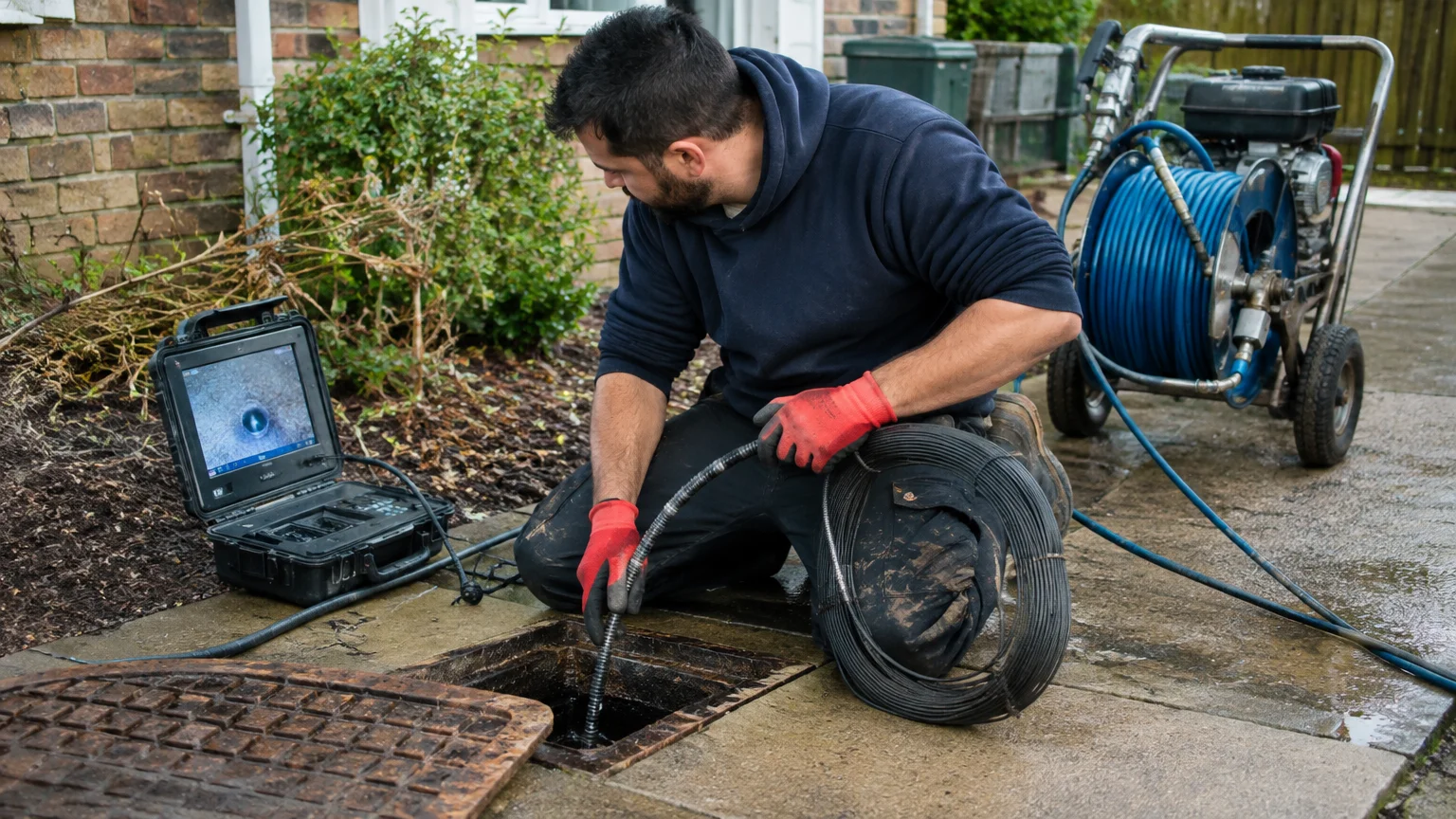
A drain snake, also called a drain auger, is a bendable cable with a cutting or grabbing tip. A plumber feeds it into the pipe and guides it toward the clog. The tip may break up the blockage or catch material and pull it back out. A small hand snake can help with some simple sink clogs, but larger tools need careful use.
Snaking often works well for hair, paper, or another solid mass in one part of a pipe. It can open a path for water without cleaning the whole pipe wall. A drain that flows again may still have residue inside. If a clog returns soon, the first clearing may not have removed its cause.
How high-pressure water cleans a drain
Hydro jetting uses a hose and nozzle to send water through a drain. The water can move loose grease, sludge, and other buildup along the pipe. Unlike a snake, the water can wash more of the pipe’s inner surface. A plumber must choose the right tool and pressure for the line and blockage.
Jetting does not fix every drain problem. It cannot repair a cracked, crushed, or badly shifted pipe. A plumber should check for damage before using it, especially if the line is old or has had repeated trouble. In Orlando, the best way to clear a blocked drain still depends on what an inspection shows.
How Much Does Drain Snaking vs Hydro Jetting Cost?
The final cost of drain snaking or hydro jetting depends on the blockage, the pipe, and the work needed to reach the problem. A small clog near one fixture is usually a simpler job than a deep main sewer blockage. Jetting may need more checks and equipment. A plumber confirms the final cost on a quote after looking at the job.
What affects the cost of either method
The type of blockage matters. A small clump of hair near a bathroom drain may take less work to reach than grease and debris deep in a long pipe. Access matters too. A plumber may need to reach a cleanout, remove a fixture trap, or use an inspection tool to find the clog. Pipe condition can also change what work is needed.
Urgent service and the time needed to find the cause may affect the quote. So may a camera check, another cleaning method, or drain repair. These are not automatic parts of every job; they depend on what the plumber finds. Ask what the quote covers and whether it may change if an inspection finds pipe damage.
Why the type and location of the blockage matter
A clog in one fixture is often easier to reach than a blockage in a shared branch pipe or main sewer. A main line may serve several sinks and toilets, so the plumber needs to find the trouble before choosing a tool. A clog that keeps returning may also need more checks than a one-time blockage.
Snaking and jetting are not always direct substitutes. A snake may be a good way to open a simple clog, while jetting may suit buildup along the pipe. Do not choose a method based only on its name. The cause, access, and pipe condition all shape the work. Ask for a clear explanation, and have the final cost confirmed on a quote before approving the job.
When Is Drain Snaking the Better Choice?
Drain snaking is often a good first choice for a clear, local clog that the tool can reach. It can open a blocked fixture drain without washing the whole pipe. A plumber may suggest it when the blockage seems to be one mass and the pipe appears able to handle the tool.
Clogs a snake can usually clear
Hair near a shower drain, food scraps in a sink line, or a small paper blockage may respond to snaking. The tool can reach the clog, break it up, or pull it back. A homeowner may remove a visible stopper or clean a removable drain screen if the fixture guide allows it. That simple care may be enough when debris has not moved far into the pipe.
You do not need a professional for every slow drain. You can clear hair from a drain cover, clean a sink strainer, or use a plunger on a simple fixture clog. Stop if water backs up in other fixtures, a tool meets strong resistance, or the blockage returns. Using a long or powered snake without training can hurt you or damage the pipe.
Signs snaking may provide only temporary relief
A drain that slows again soon after snaking may still have buildup on the pipe wall. Clogs in several fixtures can point to a deeper problem. Gurgling, bad smells, or water coming up through a lower drain can also mean the trouble is beyond one sink or tub.
In these cases, opening one spot may only restore flow for a short time. A plumber may suggest a camera check for roots, grease, scale, or pipe damage. Tell the plumber which fixtures are affected and when the problem began. Those details can help show whether the clog is local or part of a wider drain or sewer issue.
When Is Hydro Jetting Worth the Cost?
Hydro jetting may be worth considering when a plumber finds thick buildup or clogs that keep returning after snaking. It can wash material from the inside of a pipe instead of just opening a narrow path. The plumber should first check that the pipe can safely handle the water pressure.
How jetting removes grease, scale, and buildup
Grease can stick to a kitchen drain and catch food scraps. Soap and other material can build up too. A jetting nozzle sends water through the pipe to loosen and move these deposits. Results depend on the buildup, pipe shape, and equipment. Jetting does not prevent every future clog.
Scale is a hard deposit that can form inside some pipes. A plumber needs to check what is in the line before choosing a cleaning tool. If the pipe is cracked or weak, pressure may make the problem worse. The plumber should explain why jetting suits the pipe and what the inspection showed.
Situations where a more thorough cleaning can help
A kitchen drain that clogs again and again may have grease coating the pipe, rather than one loose object. A long drain with several slow fixtures may also need a wider cleaning approach. In these cases, hydro jetting may help wash more of the pipe wall once a plumber checks the line. It also helps to keep grease, wipes, and food waste out of drains.
Hydro jetting will not mend a broken pipe, remove every firmly stuck object, or fix a pipe with a poor slope. A plumber may use a camera or snake first to learn more. Roots or damaged joints may call for repair instead. Good drain cleaning starts by finding the cause, not by assuming one tool will fix every problem.
Which Method Is Safer for Older or Damaged Pipes?
Neither method is safe for every old or damaged pipe by default. A snake can scratch or catch a weak pipe, while water pressure can worsen a crack or loose joint. The plumber should check the line and choose a method that suits its material, shape, and condition.
What a plumber should check before cleaning
A plumber may ask about past clogs, repairs, and backups. They may look through an open cleanout or use a camera to check inside the line. A camera inspection uses a small camera on a flexible cable to show the pipe’s inside. It can help find breaks, roots, heavy buildup, or the clog’s location.
Pipe material matters, but age alone does not tell the whole story. The pipe’s condition, joints, bends, and access matter too. The plumber should explain what the check found and why the chosen method fits. Tell the plumber about past leaks, yard changes, or repeated sewer trouble before work begins.
When pipe repairs may be needed instead
Cleaning may not help if a pipe has collapsed, come apart, or developed a serious crack. A damaged line can keep catching debris after a clog is cleared. In that case, the plumber may suggest repair or replacement instead of repeated cleaning. The right plan depends on where the damage is and how much of the pipe it affects.
Do not keep running water into a drain that is backing up inside. Stop using fixtures that make the backup worse, and keep people away from dirty water. If wastewater enters the home, contact a plumber promptly. Plumbing Orlando Florida can explain which inspection or drain cleaning options may fit the problem.
How Do Plumbers Decide Which Drain Cleaning Method to Use?
Plumbers choose a method by finding the clog, learning what caused it, and checking whether the pipe can handle cleaning. They may start with questions and a basic check of the fixture. If the problem is deep, keeps returning, or is not clear, they may use a camera or another tool before suggesting work.
The role of a drain inspection
A drain inspection can show where a clog is and what may be inside the pipe. A camera can reveal roots, buildup, damage, or a shifted pipe joint. It can help the plumber treat the cause, not just the symptom. A small sink clog may not need a camera, but repeated or widespread trouble may need a closer look.
The plumber should explain the findings in plain words. Ask if the blockage looks like one object, soft buildup, roots, or a pipe problem. Ask what the suggested method can do and what it cannot fix. Clear answers help you compare snaking, jetting, and repair without guessing.
How pipe material, condition, and clog location guide the choice
A short branch pipe with one clear clog may suit snaking. A line with grease or debris along it may lead the plumber to consider jetting, if the pipe is sound. A damaged pipe may need repair. Location matters because a clog near a sink differs from one in the main sewer line.
The drain’s history can guide the choice too. If several fixtures back up at once, the main line may be involved. If only one sink drains slowly, the clog may be near that fixture. A good check helps avoid using stronger equipment just because it is available. It also helps the plumber explain why a method fits the property.
How Long Do Drain Snaking and Hydro Jetting Results Last?
Results last until new material builds up or another problem blocks the line. There is no set time that fits every home or business. A pipe may stay clear longer when the cause is removed and drains are used with care. Symptoms that keep returning need a closer check.
Why recurring clogs can return
A snake may open the middle of a clog but leave residue on the pipe wall. Jetting may wash away buildup, but it cannot fix a broken joint, poor slope, or damaged pipe. Tree roots can enter through weak spots too. If the cause remains, the drain may clog again after cleaning.
Notice how the problem returns. One slow drain is different from several fixtures that gurgle or back up together. Keep a short note of which drains are affected and when the signs appear. Share that pattern with the plumber. It can help show whether the issue is local, recurring, or tied to the main sewer.
How maintenance habits affect drain performance
Use drain screens to catch hair and food scraps. Wipe grease from pans into the trash instead of pouring it into the sink. Put only toilet paper and human waste in the toilet. These steps do not replace repairs, but they can reduce common causes of clogs.
Do not use harsh products as routine drain care. Baking soda and vinegar may fizz, but that does not prove a deep clog is gone. Enzyme drain cleaners use natural or living agents to break down some organic matter over time. They are not quick fixes for every blockage. Follow product directions, and never mix drain products. If several drains slow down, stop trying more cleaners and seek plumbing help.
Can You Use Chemical Drain Cleaners Before Calling a Plumber?
Chemical drain cleaners can hurt people or damage surfaces if they splash. Some can also harm certain pipes. A cleaner may sit in backed-up water and create a hazard. Avoid using one when the drain is fully blocked, another product is already in the pipe, or a plumber may need to open the line.
Potential risks to pipes and people
Read and follow the product label if you use a drain cleaner. Keep it away from children and pets, and do not mix it with bleach, vinegar, or another cleaner. Mixing products can cause dangerous reactions. If you have already added a product, tell the plumber what it was and when you used it. That information helps them choose safe next steps.
Baking soda and vinegar are common home fixes, but they may not clear a stubborn clog. Enzyme cleaners may slowly break down some organic matter, but they cannot fix roots, broken pipes, or an object stuck in the line. Do not rely on a home fix when wastewater backs up or several fixtures are affected.
Safer steps to take while waiting for professional help
Stop using the affected fixture if water is rising or coming back into the room. Keep children and pets away from standing wastewater. If it is safe, remove visible debris from a drain cover or clean a sink strainer. Do not reach into the drain, use a power tool, or pour several products into the pipe.
You can also check whether the problem affects one fixture or several. If several drains are slow, or a toilet and tub back up together, the blockage may be farther down the line. Write down the signs and any product you used. Those details can help the plumber understand the issue and choose a safe response.
What Are the Warning Signs of a Main Sewer Line Blockage?
A main sewer line blockage can affect more than one fixture. Watch for several slow drains, toilets bubbling when sinks run, or wastewater coming up in a tub or floor drain. These signs need prompt attention because more water use can send more wastewater into the property.
Common symptoms throughout a property
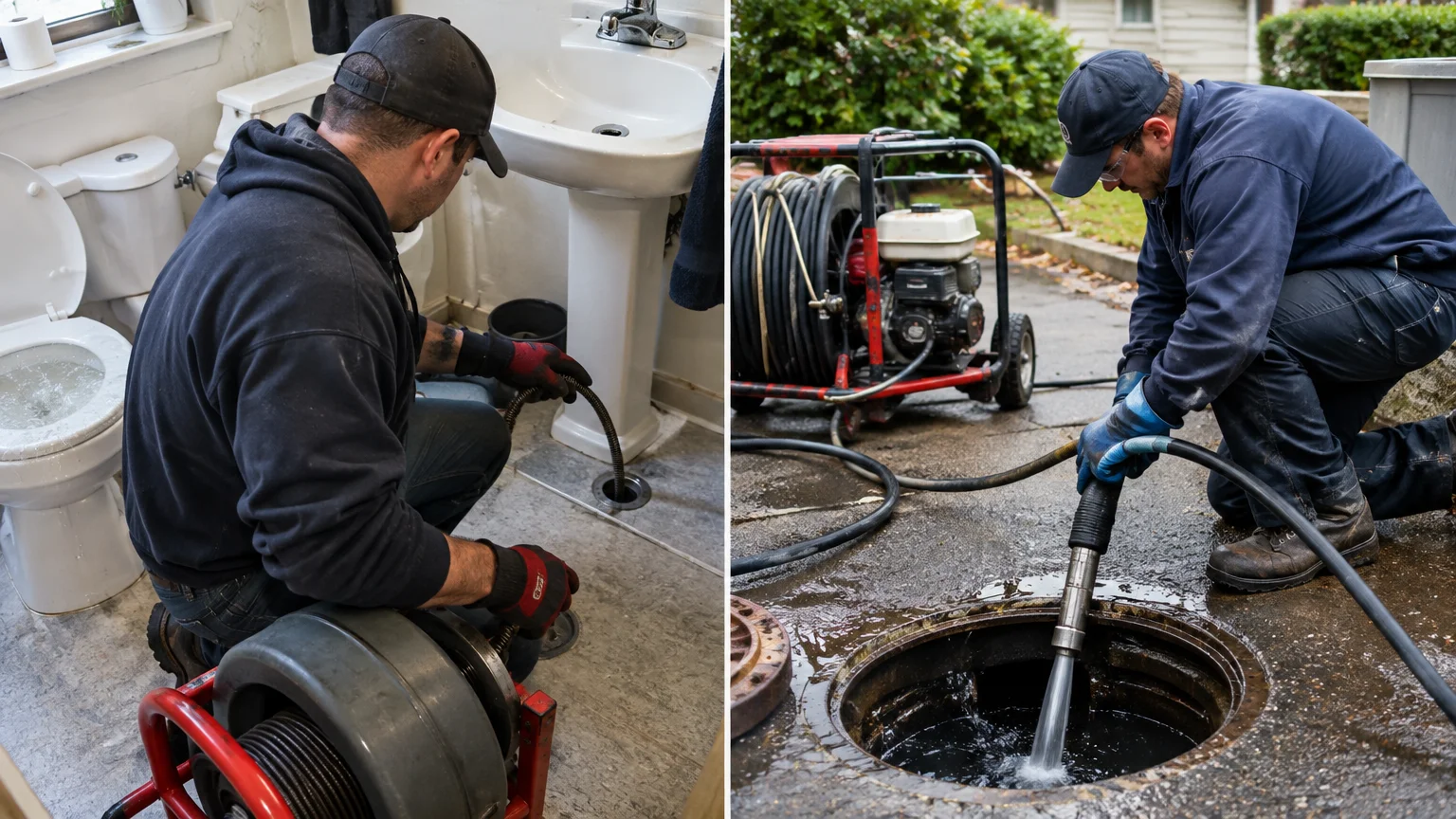
One slow sink often points to a local clog. A main line problem is more likely when several drains act up around the same time. A toilet may gurgle as a nearby sink empties, or water may rise in a lower shower when another fixture runs. Bad sewer smells can also signal a problem that needs a check.
A backup is not the same as low water pressure. Low pressure affects water coming into fixtures, while a blocked drain slows water leaving them. If a property has both problems, they may have different causes. Describe each sign clearly instead of assuming one repair will fix both.
When a sewer problem needs prompt attention
Stop using water if wastewater comes up through a drain. Do not flush toilets, run laundry, or use sinks until the problem is checked. Keep people away from dirty water and avoid touching it. A sewer backup can spread germs and harm floors, walls, and belongings.
Contact a plumber promptly if several fixtures back up, wastewater enters the home, or the problem returns after cleaning. A plumber can check whether the main line is blocked, damaged, or affected by roots. For urgent trouble, emergency plumbing may help limit further damage. Do not try to push a suspected sewer clog deeper with a household tool.
How Can You Choose Between Snaking and Hydro Jetting?
Choose based on the cause of the clog, the pipe’s condition, and the cleaning goal. Snaking may suit a simple blockage. Hydro jetting may help with buildup in a sound pipe. A plumber’s check can show whether cleaning is enough or whether drain repair is needed.
Questions to ask before approving drain cleaning
A clear talk helps you understand the plan. Ask what the plumber found, why the method fits, and whether the pipe shows signs of damage. Ask what the method can and cannot solve. If the problem returns, ask what the next step may be. These questions work for homes, rentals, and businesses.
Before work starts, confirm the work and final cost on a quote. Ask whether inspection, cleaning, and any suggested repair are separate parts of the plan. Do not approve work you do not understand. A clear explanation should connect your symptoms, what the plumber found, and the method they suggest without promising every clog will stay gone.
Key takeaways for comparing the two methods
- Snaking can clear many local clogs by breaking them up or pulling them out.
- Hydro jetting uses pressurized water to clean buildup from more of a pipe’s inner surface.
- A plumber should check pipe condition before either method is used on an old or damaged line.
- Repeated clogs, several slow fixtures, or sewer backups may point to a deeper problem.
- Drain screens and keeping grease out of sinks can help prevent common clogs.
You can handle simple care, such as cleaning a strainer or removing hair from a drain cover. Get professional help for repeated clogs, deep blockages, sewer signs, or possible pipe damage. The goal is not to choose the strongest tool. It is to match the method to the real problem.
Frequently Asked Questions
Is snaking or hydro jetting better for a clogged kitchen drain?
It depends on the cause. A snake can clear one food or debris blockage. Hydro jetting may help if grease coats a longer stretch of sound pipe. A plumber should check repeat clogs and make sure the pipe can handle water pressure before suggesting jetting. Do not pour cooking grease down a drain.
Can a drain snake damage pipes?
Yes. A snake can harm a weak or damaged pipe if used the wrong way. Small hand tools may help with simple clogs, but powered tools need proper training. Stop if the tool catches or meets strong resistance. For deep or repeated blockages, have a plumber check the pipe before using more force.
Does hydro jetting remove tree roots?
Hydro jetting may cut or move some roots inside a pipe, but it does not fix the gap where roots entered. Roots may return if the pipe has a crack or open joint. A plumber should check the line and explain whether cleaning is enough or repair is needed to fix the cause.
Is baking soda and vinegar safe for a blocked drain?
Baking soda and vinegar may fizz, but that does not mean they will clear a deep clog. Never mix them with chemical drain cleaners or other products. For a small surface clog, remove visible debris from a drain screen. For a full blockage or backup, stop using the fixture and seek help.
How can someone tell if a clog is in the main sewer line?
Several slow fixtures, toilets that gurgle when other drains run, or wastewater coming up through a lower drain may point to a main sewer problem. One slow sink is more likely to have a local clog. Stop using water if sewage backs up, and get prompt plumbing help.
Key Takeaways
- Snaking and hydro jetting clear drains in different ways; the clog and pipe condition guide the choice.
- Snaking often suits a local blockage, while jetting may help with buildup in a sound pipe.
- A pipe check matters before jetting, especially if the line is old, damaged, or keeps clogging.
- Homeowners can clean screens and remove visible debris, but should not force tools into pipes.
- Several affected fixtures or a sewer backup call for prompt professional attention.
Conclusion
Drain snaking vs hydro jetting is not a contest with one winner for every property. A snake can open many simple clogs. Hydro jetting may clean more of a pipe when buildup is the cause and the line is sound. A careful check helps show when repair, rather than cleaning, is the right answer.
For property owners in Orlando, noting which fixtures are affected and when symptoms began can help a plumber find the cause. Plumbing Orlando Florida can discuss drain cleaning options and questions to ask before work starts. Contact us to discuss a blocked drain and the next step.