Blocked drain repair cost depends on where the blockage is, what caused it, and what work the pipe needs. A nearby clog may take less work than a deep sewer blockage or damaged pipe. In Orlando, an inspection helps show which repair fits the problem. The final cost is confirmed on a quote.
Table of Contents
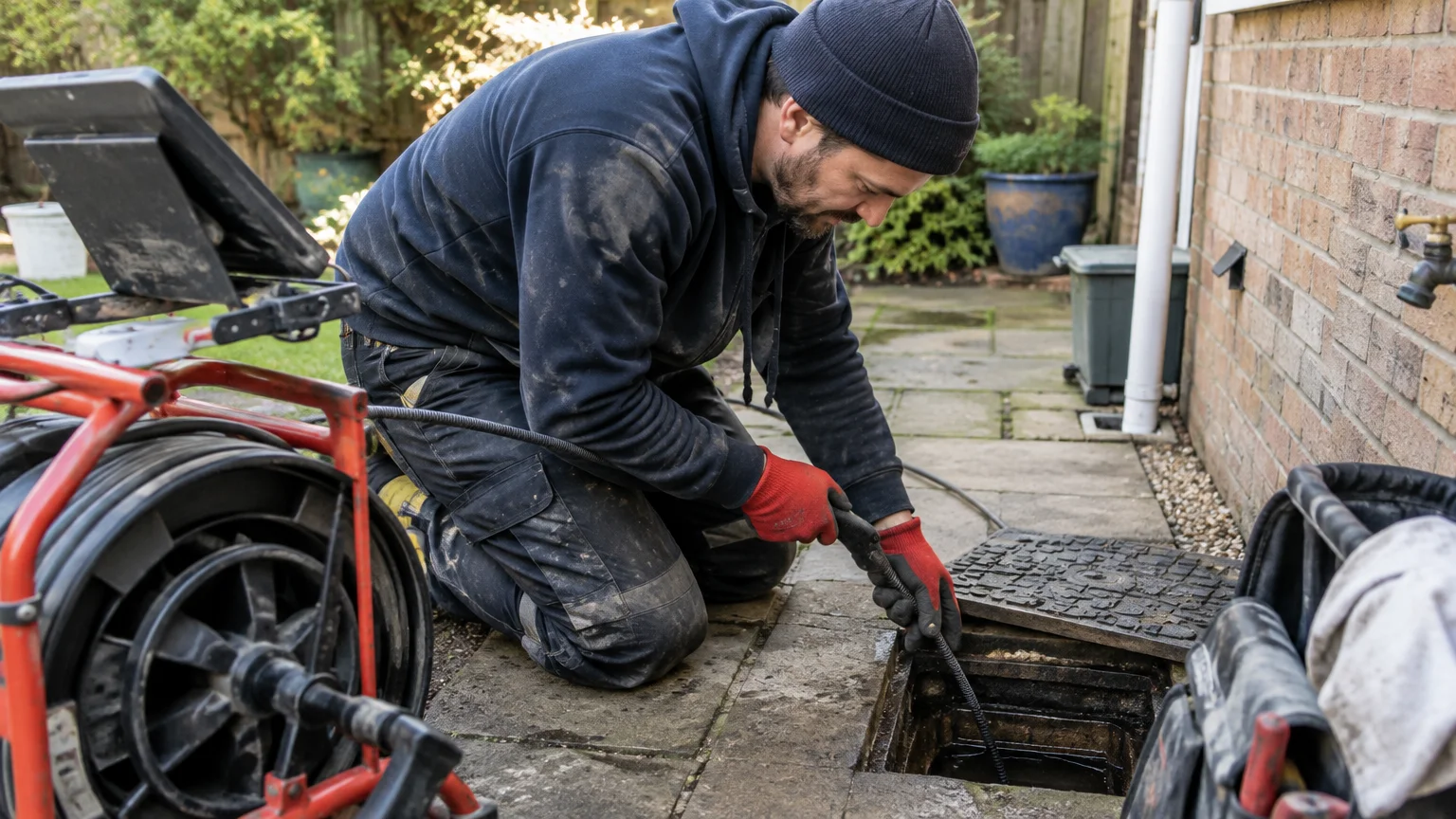
- What determines blocked drain repair cost?
- How does the blockage’s location affect repair cost?
- How do the cause and severity of a blockage change the work?
- Does drain cleaning cost less than repairing or replacing a pipe?
- Which property conditions can affect the repair?
- How can urgency and additional damage affect the final cost?
- How can you understand and manage a blocked drain repair quote?
- Key takeaways
- Frequently Asked Questions
- Conclusion
What determines blocked drain repair cost?
Blocked drain repair cost depends on the work needed to find and clear the blockage. The same sign, such as a slow sink, can have more than one cause. A plumber checks the drain before choosing a repair. This is why one set cost cannot fit every drain problem.
Why is there no single cost for every blockage?
A clog near a sink trap may be easy to reach and clear. A blockage farther along a shared drain can take more time to find. A pipe that is cracked, sagging, or full of roots may need more than cleaning. The work depends on the problem, not only the sign you notice.
Other details can help show where the trouble is. The number of affected fixtures matters. One slow sink may point to a clog close by. Several fixtures backing up may point to a shared drain or sewer line.
How does diagnosis identify the work required?
A plumber may check fixtures, look at a cleanout, or use a drain camera. A cleanout is an access point that lets a plumber reach a drain line. A camera can show a clog, roots, a break, or a low spot inside the pipe.
Those findings help show whether the job needs drain cleaning or a repair. Plumbing Orlando Florida can explain what the inspection found and which work may help. The quote should describe the planned work and note anything the inspection could not confirm.
Homeowners can tell the plumber when the issue began and which fixtures are affected. This may help narrow down the source. Still, repeated backups or wastewater call for a closer check, not just another attempt to clean the drain.
How does the blockage’s location affect repair cost?
A blockage may be simpler to clear when it is near an easy-to-reach fixture. The job can get harder when the clog is deep in a drain, under a slab, or in a buried sewer line. Distance, depth, and access can all change the time and tools needed.
How do indoor drains compare with buried sewer lines?
Indoor clogs often form in a sink, shower, or toilet branch. A plumber may reach them through the fixture opening or a nearby cleanout. Grease in a kitchen drain or hair in a bathroom line may sit close to the fixture, but the cause still needs checking.
A buried sewer line carries wastewater away from a building. A blockage there may affect several fixtures at once. The plumber may need to check a longer part of the line to find debris, roots, or pipe damage. A camera can help show where the problem starts.
Why do depth, distance, and access matter?
A drain that is easy to reach can be checked and cleaned more directly. A pipe behind a finished wall, under a floor, or below a paved area may need extra steps. Ask whether any surface must be opened and who will put it back afterward.
Long or deep pipe runs may need different tools than a short fixture drain. A drain snake, also called a drain auger, is a flexible cable used to break up or pull out a clog. It can help with some blockages, but it cannot fix a broken or collapsed pipe.
Homes in Orlando can have different layouts and sewer connections. A building’s age and pipe layout may affect where a plumber checks first. Ask the plumber to explain the likely location before you approve the work.
How do the cause and severity of a blockage change the work?
The cause and size of a blockage help decide whether a plumber can clear the drain or must repair a pipe. Grease, hair, soap, and food scraps can build up inside drain lines. Roots, shifted pipes, or broken sections may point to a deeper issue that cleaning alone will not fix.
What causes common drain blockages?
Kitchen drains often collect grease and food waste. Bathroom drains can gather hair and soap residue. Toilets may clog when people flush items that do not break down in water. These materials can build up until water slows or stops.
Tree roots can enter small gaps in older sewer pipes. Soil movement can also shift or crack a pipe. A blockage may return because the pipe has a fault, not because the first cleaning was done poorly.
Some people try cleaning a drain with vinegar and baking soda. This may help with light residue near the drain opening. It is not a sure fix for a deep clog, roots, or damaged pipes. Do not mix household cleaners, and follow product labels to avoid fumes or pipe damage.
When does a recurring clog point to a larger problem?
A clog that returns soon after cleaning needs more attention. A drain that gurgles, smells bad, or backs up in more than one room also needs a closer look. These signs may point to a blockage farther along the line or a damaged pipe.
A plumber may use a camera to check the line after clearing it. This can show whether the pipe is open and sound or if a fault remains. Plumbing Orlando Florida can explain what the inspection found and what may need to happen next.
Do not keep forcing tools into a drain when you do not know the cause. A sharp tool or harsh chemical can harm pipes or seals. Stop using affected fixtures if wastewater backs up, and ask a licensed plumber to check the risk.
Does drain cleaning cost less than repairing or replacing a pipe?
Drain cleaning is usually a simpler job than pipe repair or replacement when a clog is the only issue. The work depends on access, the tools needed, and what an inspection finds. If a pipe is damaged, cleaning may restore flow only for a short time.
When may clearing a blockage be enough?
A plumber may clear a drain when the pipe is sound and the clog comes from common buildup. The plumber can use a suitable snake or other tools to loosen or remove the blockage. The best method depends on the pipe and what caused the clog.
After cleaning, the plumber may run water or inspect the line to check how it drains. Homeowners can help prevent new clogs by keeping grease, wipes, and food scraps out of drains. Use a strainer in sinks and showers to catch hair and debris.
You do not need a professional for every slow drain. You can remove visible debris from a drain cover, clean a sink stopper, or use a plunger on a simple fixture clog. If several drains back up, sewage appears, or the clog keeps coming back, stop DIY work and call a plumber.
When may a pipe need repair or replacement?
Cleaning takes material out of a pipe; it does not mend a crack or replace a failed section. A plumber may suggest a repair if a camera shows a break, heavy rust, a sag, or root damage. The method depends on where the fault is and how much pipe is affected.
Replacing part of a pipe is usually more involved than clearing a clog. The plumber may need to open a wall, floor, or yard to reach the line. Ask which parts are affected and whether the work aims to fix the cause or only restore flow for now.
The same idea applies when comparing repair costs for related work, such as toilet repair cost. The cause, parts, access, and amount of damage shape the job. Ask for the work details rather than guessing from the symptom alone.
Which property conditions can affect the repair?
A building’s layout, pipe material, and drain use can change the repair plan. Home drains usually serve fewer fixtures than drains in a business. A plumber needs to consider how the full system fits together to choose work that suits the building.
How do layout and pipe material affect the approach?
A drain line may run through a crawl space, basement, wall, or slab. Access can change how the plumber checks and reaches the pipe. Older pipe materials may need gentler methods than newer pipes, so the plumber should identify the pipe before choosing tools or cleaners.
The location of a cleanout can also matter. A clear access point may make it easier to check part of the pipe. If there is no useful access point, the plumber may need another plan. Ask why the chosen access point and method suit your property.
How are commercial drains different?
A business may have more fixtures and heavier daily use than a home. Restaurants, offices, and rental buildings may send different materials through their drains. A blockage in a shared line can affect many people and interrupt normal work.
Some business drains connect to special equipment. The plumber should know what the line serves before starting. Owners and managers can share repair notes and explain when the signs appear. This may help find patterns and limit disruption.
For a home or business, a clear work plan matters. The quote should name the drain or line that will be cleaned or repaired. It should also say what is not included, such as work on a separate pipe or repairs to a floor or yard.
How can urgency and additional damage affect the final cost?
Urgent work may need faster action and a different plan than a routine repair. A slow drain that still works may leave time to arrange an inspection. Sewage backing into a building, a major leak, or water spreading through rooms needs prompt attention.
When does a drain need emergency attention?
A sewer backup can expose people to dirty water and harm floors, walls, and belongings. Stop using fixtures that feed the affected line. Keep people and pets away from wastewater, and do not touch electrical items in wet areas.
One slow drain may not be an emergency if other fixtures work and there is no leak. But several affected fixtures, a sewage smell, or water rising from a floor drain may point to a bigger blockage. Share these signs when asking for emergency plumbing help.
How can backups and leaks add to the repair?
Water that escapes a pipe can harm building materials and personal items. A drain backup can spread waste beyond the pipe. The job may then need plumbing work and separate cleanup or repair, depending on what was damaged.
Acting early may help keep water from spreading farther. If it is safe, stop using the fixture and keep the area clear. Do not try to open a sewer line or handle wastewater without proper training and protection.
A plumber should explain whether the quote covers only drain work or other tasks too. Building repairs and cleanup may need separate providers. Clear limits help owners plan and avoid assuming that one plumbing repair includes every related service.
How can you understand and manage a blocked drain repair quote?
A useful quote explains what the plumber found, what work is planned, and what could change if new damage appears. It should name the drain or pipe and say whether the job is cleaning, repair, or replacement. The final cost is confirmed on a quote before work begins.
What should you clarify before approving work?
Ask how the plumber found the blockage and whether the cause is clear. Find out what the planned work should fix, which parts it covers, and what may happen if the pipe is damaged. Ask whether the quote includes cleanup or repairs to surfaces.
A clear quote should also explain its limits. Cleaning may clear a clog without fixing a pipe fault. If the inspection is not complete, ask what remains unknown and how that may change the plan. Compare the diagnosis and work details, not only the final amount.
How can maintenance help prevent repeat blockages?
Simple habits can reduce common clogs. Use sink and shower strainers, keep grease out of kitchen drains, and flush only waste and toilet paper. Clean visible debris from drain covers and sink stoppers when needed.
Do not use harsh drain chemicals as a routine fix. They can harm some pipes and create safety risks if mixed with other products. If a drain slows often, arrange an inspection instead of repeating the same treatment.
Keep notes about past clogs and repairs, especially in rental or business buildings. A record can show whether a problem is new or keeps coming back. In Orlando, Plumbing Orlando Florida can help property owners understand what to check when a blockage returns. Downtown, College Park, Winter Park, Baldwin Park, Conway, and MetroWest are among the local areas where drain layouts can vary.
Key takeaways
- Location matters: A nearby fixture clog is often easier to reach than a buried sewer blockage.
- Cause matters: Grease and hair may clear, while roots or a broken pipe may need repair.
- Repeat clogs need a closer look: A camera check may find a hidden pipe fault.
- DIY work has limits: You can clean drain covers or try a plunger, but do not handle sewage or damaged pipes.
- Read the quote: Check the diagnosis, planned work, and limits before approving a repair.
Frequently Asked Questions
What usually causes a blocked drain?
Common causes include grease, hair, soap, food scraps, and items that should not be flushed. Roots can enter damaged sewer pipes, while a shifted or broken section can trap debris. If a clog keeps returning, the problem may be inside the pipe rather than loose material near a fixture.
Can a drain snake clear every blockage?
No. A drain snake can break up or pull out some clogs, especially in easy-to-reach lines. It cannot fix a cracked, collapsed, or badly shifted pipe. The tool must also suit the pipe and blockage. If a drain backs up again, a plumber may need to inspect the line.
Is baking soda and vinegar a reliable way to clean a drain?
It may loosen light residue near a drain opening, but it is not a sure fix for a deep clog or sewer blockage. Do not mix it with chemical drain cleaners. For a clog that keeps coming back, a plumber can check whether buildup or pipe damage is the cause.
When should a homeowner call a plumber for a blocked drain?
Call a plumber when several fixtures back up, sewage appears, a clog returns, or water leaks from a pipe. You can safely remove visible debris and try a plunger on a simple fixture clog. Stop DIY work if the cause is unclear or wastewater is present.
What should a blocked drain repair quote explain?
The quote should describe what the plumber found, which drain or pipe is involved, and what work is planned. It should say whether the job is cleaning, repair, or replacement and note any limits. Ask whether cleanup or building repairs are included. The final cost should be confirmed on the quote.
Conclusion
Blocked drain repair cost depends on the blockage’s location, cause, access, and pipe condition. A simple clog may need cleaning, while repeat backups or pipe damage may call for more work. Homeowners can handle basic upkeep, but sewer backups and damaged lines need professional care.
For help understanding a blocked drain and the repair options, Contact us at Plumbing Orlando Florida.
If you are not sure what you are dealing with, it is worth having someone look at it before it turns into a bigger job. Get in touch with Plumbing Orlando Florida in Orlando, Florida today and we will tell you where you stand.