Low water pressure in a commercial building can come from the water supply, a blocked pipe, a leak, or worn equipment. Compare several fixtures and note when the problem starts before choosing a repair. A plumber can test the system and find the cause, especially when many parts of the building are affected.
Table of Contents
- What counts as low water pressure in a commercial building?
- What causes low water pressure in a commercial building?
- Why does water pressure drop at certain times or locations?
- How can you identify the source of a pressure problem?
- Can clogged pipes or fixtures cause low water pressure?
- Can leaks or failing plumbing equipment reduce pressure?
- How do water heaters affect pressure in commercial restrooms?
- What fixes can restore water pressure in a commercial building?
- When should a commercial property manager call a plumber?
- How can you prevent recurring low water pressure?
- Frequently Asked Questions
- Key takeaways
- Conclusion
What counts as low water pressure in a commercial building?
Low water pressure means water comes from a tap or other fixture with less force than usual. It may affect one sink, several restrooms, or the whole property. A weak stream is a useful clue, but it does not show the cause on its own. Compare several fixtures to see whether the problem is local or shared.
Water pressure is the force that moves water through pipes. Water flow is the amount of water that comes out over time. A clogged faucet may have weak flow even when pressure inside the pipe is normal. A wider pressure problem may affect several fixtures at once. This difference matters in busy buildings, where a slow sink may only need a clean aerator. An aerator is the small screen at the end of many faucets. It mixes air into the water and can catch dirt.
Check whether both hot and cold water seem weak. Compare sinks, toilets, break-room taps, and fixtures in other areas. Note whether the problem stays all day or comes and goes. Do not remove covers or adjust valves unless you are trained and allowed to do so. Record which fixtures are affected, when the problem began, and whether plumbing work is taking place nearby.
A low water pressure commercial building problem should be checked at more than one fixture. Do not assume every weak stream has the same cause. Building design, fixture type, and the number of floors can all affect water delivery. Plumbing Orlando Florida can help property teams review the problem and decide what needs testing. Staff can make these basic observations without opening pipes or changing system settings.
What causes low water pressure in a commercial building?
Low water pressure can begin outside a building or within its plumbing. A supply problem, a partly closed valve, pipe buildup, a leak, or worn equipment may reduce flow. The pattern can help point to a cause, but it cannot prove what is wrong. More than one issue may be present, especially in older or complex buildings.
The water supply line carries water from the public system into a property. Work on that line, a supply outage, or a problem at the building connection can affect many fixtures. Staff can ask the local water provider if nearby service work or an outage has been reported. If nearby buildings have the same problem, an outside supply issue may be possible. The building’s own plumbing still needs to be checked.
A pressure-reducing valve controls incoming pressure so it stays within a useful range. If the valve sticks, wears out, or is set the wrong way, fixtures may receive too little pressure. A main valve that is closed or partly closed can also limit water. Only a trained person should test or adjust these valves. A wrong change can affect other fixtures and equipment.
Inside the building, mineral scale, rust, or dirt can narrow older pipes. A leak can also take water away before it reaches a fixture. Pumps, backflow devices, and valves may need a check. A backflow device helps stop water from flowing the wrong way into the supply. A recent plumbing change or a shutoff valve left partly closed may explain a sudden change. Tell the plumber about recent work so the inspection can focus on the right parts.
Why does water pressure drop at certain times or locations?
Pressure may fall when many fixtures run at once or when water travels a long way through a building. A problem during busy hours may have a different cause from a weak stream that lasts all day at one sink. Keep track of the time and place where the issue happens. These notes can help the plumber test the system under the right conditions.
Restrooms, kitchens, cleaning areas, and work spaces may all use water at the same time. If several fixtures run together, some may have weaker flow. This can happen when a supply line or plumbing system cannot meet demand at that time. Note whether pressure drops during opening hours, shift changes, meal breaks, or cleaning. If it stays weak during quiet periods, a blockage, leak, or equipment problem may be more likely.
Water must travel through pipes to reach each fixture. Upper floors and fixtures far from the supply entry may have a different pattern from nearby ones. Buildings with many floors may use pumps or other equipment to move water where it is needed. Compare the same type of fixture on different floors. Record whether the problem follows one floor or appears across the property.
If several upper-floor fixtures are weak while lower ones work well, a pump, system design, or supply control may be involved. If one restroom has the problem, a local valve or pipe blockage may be more likely. These are clues, not a final diagnosis. A hidden leak or equipment fault can cause a pattern that is hard to explain. A plumber can check the route and consider demand, floor level, and distance from the supply entry.
How can you identify the source of a pressure problem?
Record where the flow is weak, whether hot or cold water is affected, and when the change occurs. Compare several fixtures without taking plumbing apart. This check can help separate a problem at one fixture from one affecting the whole building. It also gives a plumber a clearer starting point than a general report of low pressure.
Property staff can use this checklist:
- Write down which rooms, floors, and fixtures have weak flow.
- Note whether hot water, cold water, or both seem affected.
- Record whether the problem changes during busy periods.
- Ask whether nearby plumbing work or a supply issue occurred.
- Look for visible leaks, wet areas, or unusual sounds near pipes.
Do not use tools on valves or remove plumbing parts unless trained. Follow the building’s safety and access rules, especially in mechanical rooms and secured areas. Keep the notes together so the plumber gets one clear report. If the problem changes during the day, write down the times and what the building was doing. This is more useful than trying to remember later.
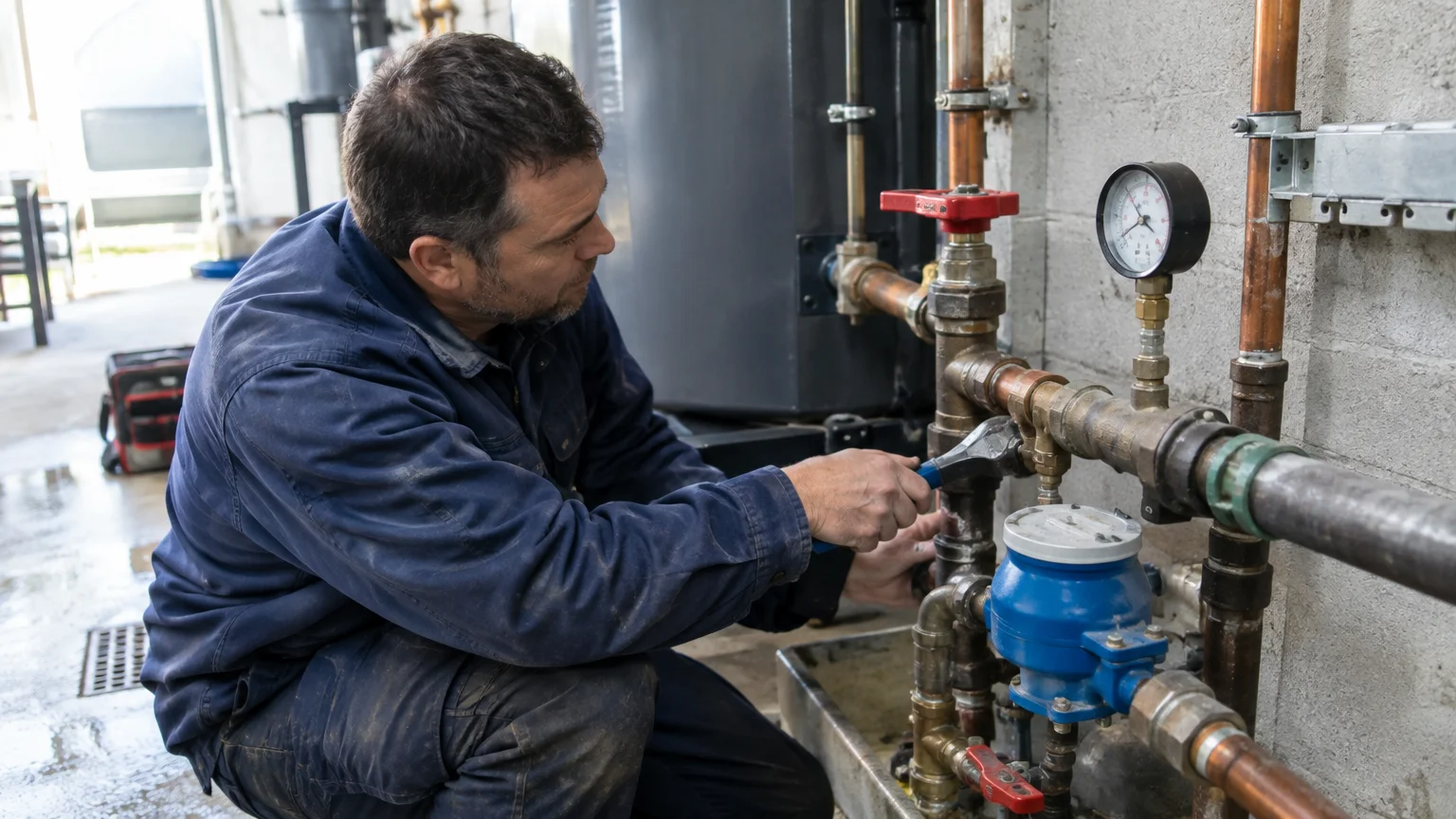
A plumber may use a gauge at a safe test point to check pressure in a pipe. Pressure testing means using a gauge to measure water pressure. The plumber may inspect shutoff valves, regulators, pumps, filters, and the supply connection. They may compare hot and cold water and check the affected fixtures. Depending on the signs and building layout, testing may also look for a leak or blockage.
Plumbing Orlando Florida can help commercial property teams find which parts of the system need attention. The visit may go more smoothly if authorized staff arrange access to mechanical rooms and plumbing records. Share notes about recent work, repeat complaints, and fixtures that still work well. This helps the plumber compare affected areas with parts of the system that appear normal.
Can clogged pipes or fixtures cause low water pressure?
Yes. A blockage can reduce flow at one fixture or through part of a pipe system. Mineral deposits, rust, and trapped dirt can narrow the path water uses. The location of the weak flow may show whether the blockage is near a fixture or farther inside the pipes. An inspection may still be needed to find its exact location.
Hard water can leave mineral deposits inside pipes and fixtures. Over time, this buildup can narrow the opening where water passes. Older metal pipes may also rust inside. A plumber can check whether pipe condition is behind a wider pressure problem, especially if several fixtures in one area have weak flow. A blockage farther inside the system may affect a group of fixtures instead of one tap.
Do not pour strong chemicals into commercial plumbing to clear a suspected blockage. These products may harm pipes or put staff at risk. Do not open walls or use powered equipment without proper training. A plumber can choose a suitable way to clear the blockage after checking its location, pipe type, and the building’s plumbing needs. Drain cleaning may help with a drain clog, but it does not fix a water supply pressure problem.
A dirty aerator or showerhead can cause weak flow at one fixture. Staff may clean a removable screen if building rules allow it and the part comes off safely. This is simple upkeep that may not need a professional. Stop if the part is stuck, hard to reach, or at risk of damage. If cleaning does not help, arrange an inspection instead of forcing the part.
Commercial toilets may use flush valves to release water and clear the bowl. A worn or blocked valve can affect flushing, but that does not always mean the whole building has low pressure. Note whether nearby sinks and other fixtures are affected too. This helps the plumber tell a toilet problem from a wider system issue. Do not take apart a commercial flush valve unless trained and permitted.
Can leaks or failing plumbing equipment reduce pressure?
Yes. A leak can divert water from fixtures, and worn equipment may restrict flow. A hidden leak may show as damp flooring, stains, a musty smell, or running-water sounds when fixtures are off. Report these signs quickly, even if the pressure change seems small or only affects one area.
Look for new wet spots, peeling paint, ceiling marks, or water near pipes and equipment. A sudden pressure change with no clear cause also needs attention. Do not touch water near electrical equipment. Keep people away from unsafe areas and follow the building’s emergency plan. Staff should not open walls or equipment covers to look for hidden leaks unless qualified and allowed.
If a water heater leaks from the bottom, the source might be a connection, drain valve, or tank failure. Water near the base does not show which part has failed. Keep people away from hot water and electrical hazards, then arrange a prompt inspection. A leak can cause damage even if pressure seems normal elsewhere. Do not ignore visible water because the whole building still has service.
A pressure-reducing valve, pump, or backflow device can affect water delivery if it fails or becomes blocked. These parts may be in a utility room or behind locked access. Staff should not adjust or bypass them without training. A wrong change may affect other fixtures and equipment. Keep access controlled and follow the building’s rules if a device seems to be failing.
A plumber can check whether a device works as it should and whether it needs repair or replacement. If pressure changed after equipment work, share the date and what was done. This may help link the change to a valve, pump, or other part. Staff can record visible signs and warning messages, but a trained professional should find and repair equipment faults.
How do water heaters affect pressure in commercial restrooms?
A water heater usually affects hot-water delivery, not cold water across the building. If only hot water has weak flow, the cause may be near the heater or in the hot-water pipes. If both hot and cold water are weak, the problem may be elsewhere. Compare both sides at more than one fixture without opening the heater.
Check hot and cold water at more than one sink. If cold water works well but hot water is weak at several fixtures, a plumber may check the heater, its valves, and hot-water lines. A blocked filter or pipe may also affect hot water. If just one tap has weak hot flow, the cause may be in that fixture rather than the heater or main hot-water pipes.
If there is no hot water, a strange sound, a leak, or an error message, note what the equipment shows. Do not open its cover. Water Heater Repair can help find whether the unit or its connected pipes need service. Staff should not bypass a safety part or change settings without permission. Report the signs and leave work on the unit to trained people.
A heater may need repair when it leaks, fails to heat water, or gives uneven temperatures. Water heater replacement may be the better choice if the unit has serious damage or keeps failing. The right option depends on the unit’s condition, building needs, and available parts. A plumber can explain whether repair or replacement makes sense after checking the equipment and how the building uses hot water.
Tankless water heaters use a heat exchanger to warm water as it passes through the unit. A heat exchanger transfers heat to the water. Tankless water heater installation must suit the building’s water use, fuel source, venting, and existing connections. It does not fix low pressure on both hot and cold sides. The unit should match the property’s needs, not be treated as a general fix for pressure problems.
What fixes can restore water pressure in a commercial building?
The right repair depends on the cause. Cleaning a fixture may fix a local problem, while a failed regulator, leak, or blocked pipe may need professional work. A plumber should confirm the cause before changing settings or replacing equipment. Treating only the symptom can leave the main problem in place or cause trouble elsewhere.
A clogged aerator may need cleaning, and a faulty fixture valve may need repair. A partly closed valve may explain a sudden change, but staff should not adjust valves unless trained and allowed. A plumber can check which valves are safe to use and whether one is causing the problem. Cleaning a removable screen may be a safe task when building rules allow it and the part comes off easily.
A leak needs repair where it starts, not just cleanup of the water you can see. If a regulator or pump has failed, a plumber can check whether repair or replacement is needed. Emergency Plumbing may be needed when water is actively leaking, spreading, or service is lost across many areas. Follow the building’s response plan and stay away from equipment that is unsafe to approach.
A pipe with heavy rust or buildup may need repair or replacement. If pressure keeps changing across different floors, the plumber may need to review pumps, pipe layout, or water demand. Any change should suit the building and its fixtures, rather than rely on a quick adjustment. The plumber can consider floor level, distance from the supply, busy periods, and the condition of existing pipes.
Do not add a pump or change a pressure setting as a guess. Pressure that is too high can harm pipes and connected equipment. A plumber can test the system, explain the repair choices, and check whether the fix works across affected areas. Keep records of the work and pressure changes afterward. This helps the property team see whether the same issue has returned or a new pattern has appeared.
When should a commercial property manager call a plumber?
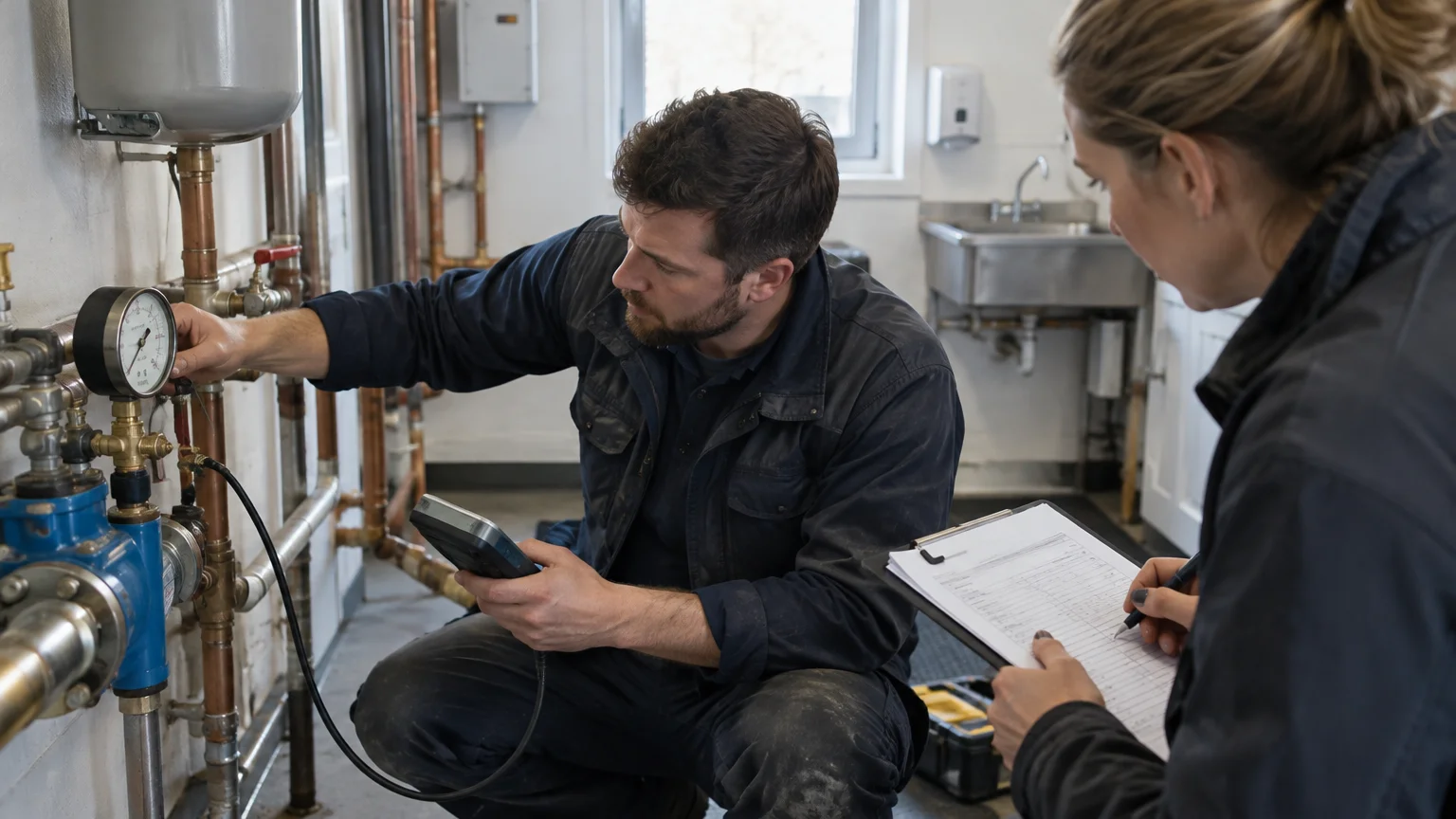
Call a plumber when weak pressure affects several fixtures, returns after basic checks, or comes with a leak or equipment warning. A sudden loss of water can disrupt restrooms and business work. Prompt attention can help limit water damage and show whether a supply or building system has failed. A plumber should also inspect hidden pipes, pumps, regulators, and other equipment that staff are not trained to handle.
Treat active leaks, water near electrical systems, and sudden widespread pressure loss as urgent. Follow the building’s safety plan and keep staff away from hazards. If trained staff can safely reach the correct shutoff, they may follow the property’s procedure while help is arranged. No one should approach a shutoff or equipment area if water, electricity, heat, or access makes it unsafe.
A gas smell near a gas-fired water heater is an emergency. Do not use a flame or operate switches in the area. Leave and contact the gas utility or emergency responders from a safe place. Never test for a gas leak with a flame or try to repair gas pipes. Follow local emergency instructions and the building’s response plan.
A short report can help the plumber prepare. Share which fixtures are affected, whether hot or cold water is weak, when the problem started, and whether it changes with building use. Mention recent repairs, visible leaks, warning messages, and areas staff cannot enter. These details can help separate a fixture problem from a supply or equipment issue.
Do not wait to get help during an urgent problem just to collect every detail. If it is safe, keep people away from the affected area and protect nearby property from water. Past repair records may help show whether the issue is recurring. Staff can collect facts and make simple checks, but pressure tests, equipment changes, and repairs belong to trained professionals.
How can you prevent recurring low water pressure?
Regular checks can catch small changes before they affect a whole building. Property teams can watch for leaks, slow fixtures, unusual pump sounds, and repeat complaints. A maintenance plan should cover the plumbing equipment in the building and follow the instructions for each system. Recording changes helps staff see when a one-time issue becomes a repeated or wider problem.
Ask staff to record repeat complaints and report new leaks. Keep service records for water heaters, pumps, regulators, and backflow devices. Make sure trained staff know where shutoffs are, and keep mechanical rooms clear. Follow the maker’s service guidance for each piece of equipment. Make sure each shift knows who should report a new problem.
Do not use harsh drain products or force stuck valves as routine care. Ask a plumber to check repeat problems instead of treating each weak fixture as a separate issue. Plumbing Orlando Florida can help building teams plan plumbing work around the areas and equipment they need to keep running. Staff may clean a removable aerator when allowed, but recurring pressure problems and hidden pipe issues need professional attention.
A pressure complaint is a starting point, not a diagnosis. Notes about where and when it happens can help a plumber find the cause. Simple fixture cleaning may be safe when building rules allow it. Leaks, pumps, regulators, and hidden pipes need trained care. Routine maintenance should focus on observing, recording, and reporting, not making unapproved changes to valves or system equipment.
Frequently Asked Questions
What causes low water pressure in a commercial building? Common causes include a partly closed valve, a supply problem, a clogged fixture, pipe buildup, a leak, or a failing regulator or pump. If many fixtures are affected, the source may be shared. If one fixture is affected, the problem may be local. A plumber can test the system when the pattern is unclear or pressure keeps changing.
Why is water pressure low in one restroom but normal elsewhere? A local blockage, worn fixture valve, or restricted branch pipe may affect one restroom. Compare hot and cold water and check nearby fixtures. This can show whether the problem is limited to one tap, one restroom, or a wider area. Report the pattern and do not take apart commercial fixtures unless trained and permitted.
Can a water heater cause low water pressure? A water heater or hot-water pipe may cause weak flow on the hot side. Compare hot and cold water at several fixtures. If both sides are weak, the cause may be outside the heater. A plumber can check the unit and its connections. Do not open the heater cover or change its settings as a test.
What should staff do if a water heater is leaking from the bottom? Keep people away from hot water, wet floors, and electrical hazards. Do not open the unit or remove parts to stop the leak. Follow the building’s safety plan and arrange prompt plumbing help. The location of the leak cannot show whether a valve, connection, or tank has failed. An inspection is needed to find the source.
How can staff check for a gas leak near a water heater? Never use a flame to test for gas. If staff smell gas, they should leave, avoid switches and equipment, and contact the gas utility or emergency responders from a safe place. Do not look for or repair the leak. Follow local emergency instructions and the property’s rules. Do not return until the area is safe.
Key takeaways
- Low pressure may come from the public supply, a fixture, a leak, a blocked pipe, or building equipment.
- Compare fixtures and record when the problem happens to see whether it is local or widespread.
- Note whether hot water, cold water, or both have weak flow, and watch for leaks and wet areas.
- Staff can make safe observations and clean a removable aerator when allowed.
- Leave hidden pipes, pressure controls, pumps, heaters, and gas equipment to trained professionals.
Conclusion
Low water pressure can come from the supply, a fixture, a leak, or building equipment. Comparing affected areas and recording when the problem occurs can help narrow down the cause. Commercial property teams should leave hidden pipes, pressure controls, pumps, and gas equipment to trained professionals. Staff can make simple observations and clean approved fixture parts, but shared system repairs need qualified care.
For help with low water pressure in a commercial building in Orlando, Contact us to discuss the affected fixtures and arrange plumbing service with Plumbing Orlando Florida.
If you are unsure what is causing the problem, an inspection can help identify the next step. Plumbing Orlando Florida serves property owners and businesses in Orlando.
If you are not sure what you are dealing with, it is worth having someone look at it before it turns into a bigger job. Get in touch with Plumbing Orlando Florida in Orlando, Florida today and we will tell you where you stand.