Water Tanks
Expansion, Pressure and Storage Units
Plumbing Orlando Florida covers the tanks that keep household water steady: thermal expansion tanks beside water heaters, pressure tanks on private wells, and storage tanks for backup or rainwater. Trouble shows up as pressure that swings, a well pump that clicks on and off, a relief valve that drips or wet fittings, and every one of these gets worse with time.
Public supply is regulated up to the meter by the Florida Department of Environmental Protection, but the tank, its valves and the piping after that point are the homeowner’s to maintain. Whether you need a dead expansion tank swapped, a waterlogged well tank diagnosed or a storage tank tied in, help is available in Orlando, FL.
Services
Tank Work Available
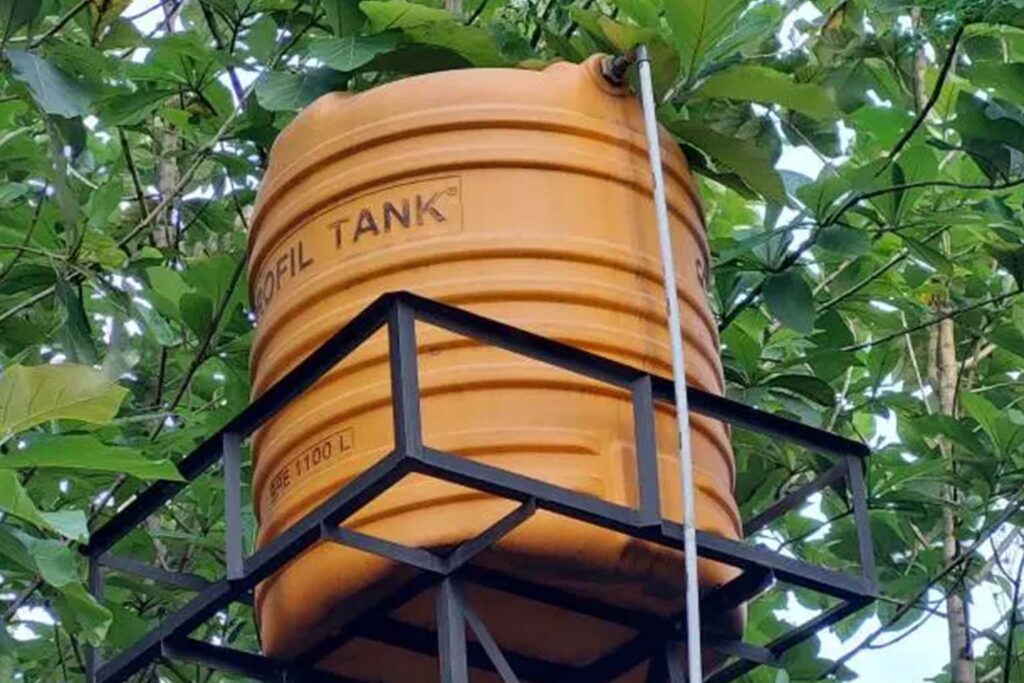
Installing a New Tank
Expansion, well pressure and storage tanks can be fitted, with the size picked to suit the heater, pump or household demand.
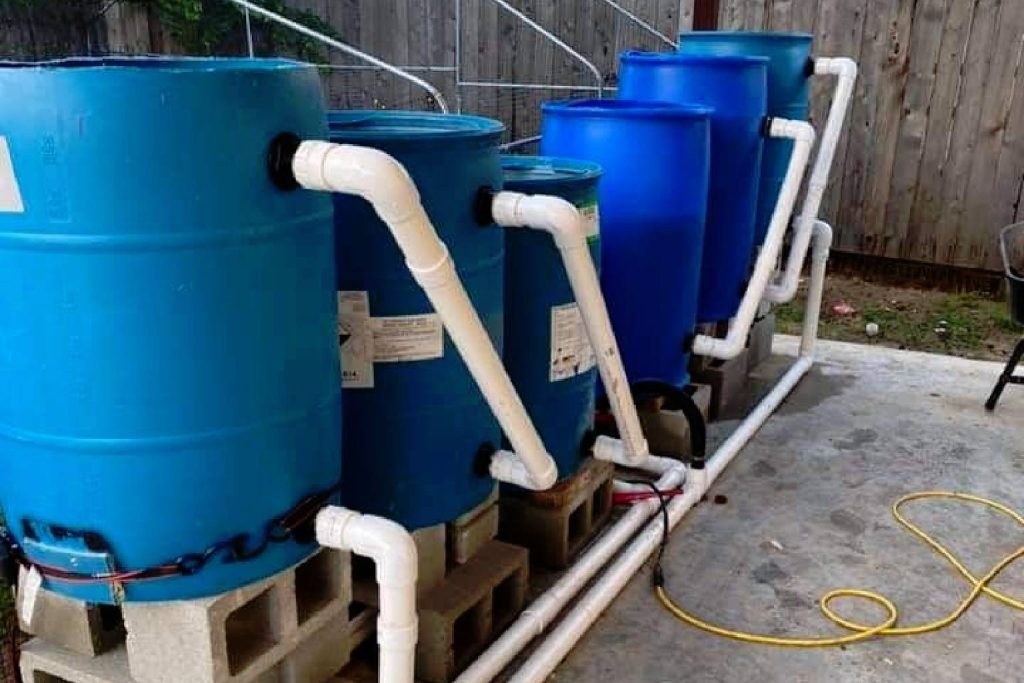
Swapping a Worn Tank
A tank that is rusted, leaking, waterlogged or too small can be replaced with a unit that suits the system.
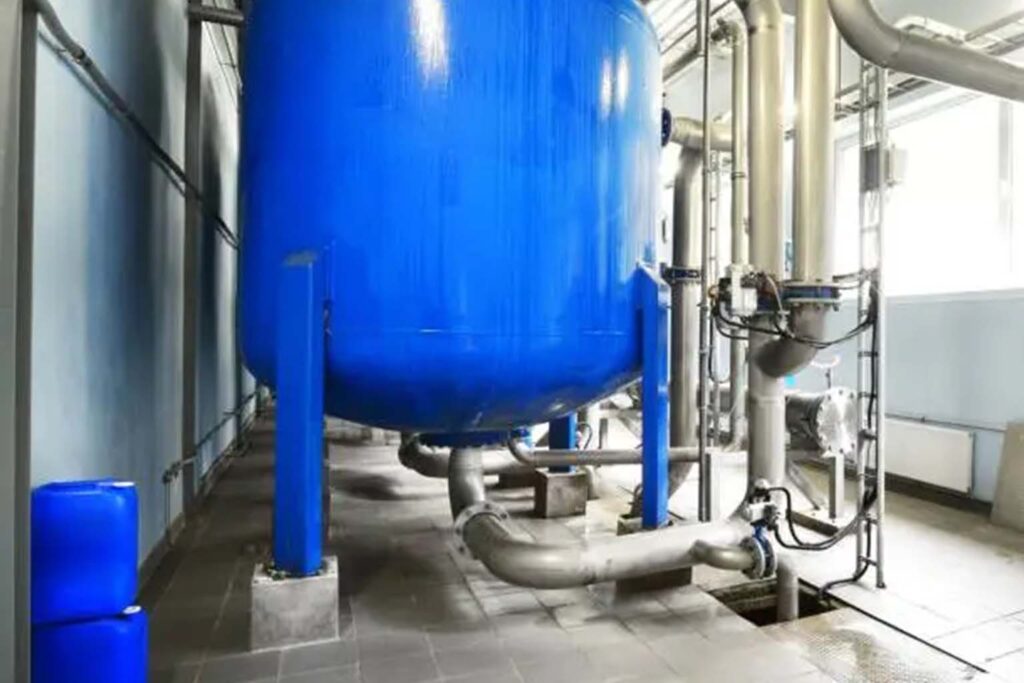
Expansion Tank Care
Air pre-charge checks and adjustment, failed-tank replacement, and a cure for a relief valve that drips each time the heater fires.
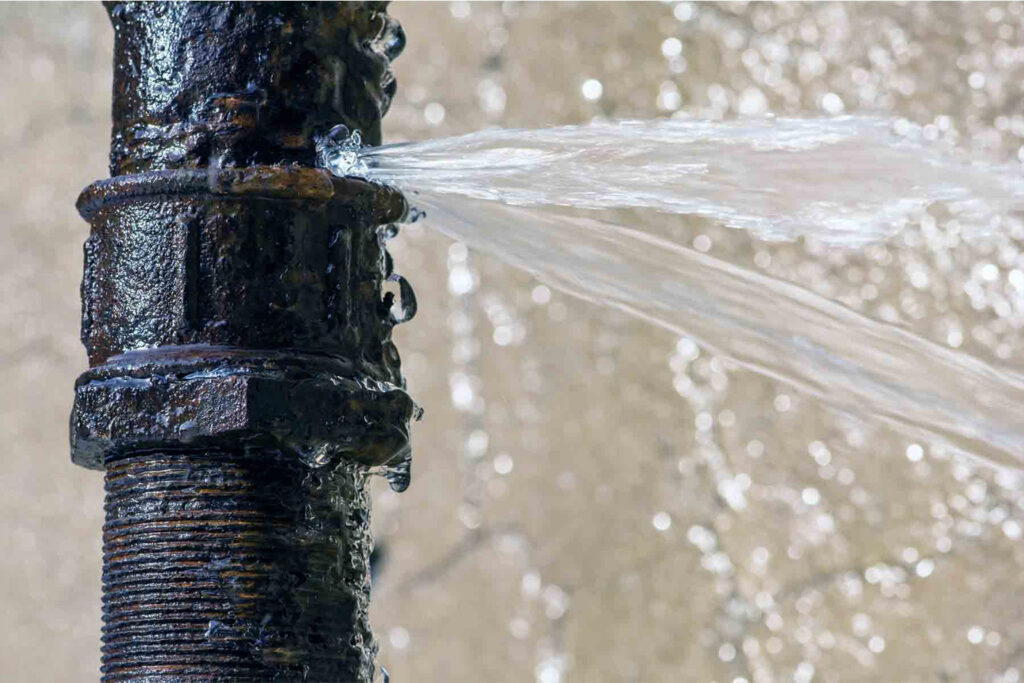
Leak Fixes
Weeping tank bodies, inlet and outlet connections, fittings and valves can be repaired before floors and walls get wet.
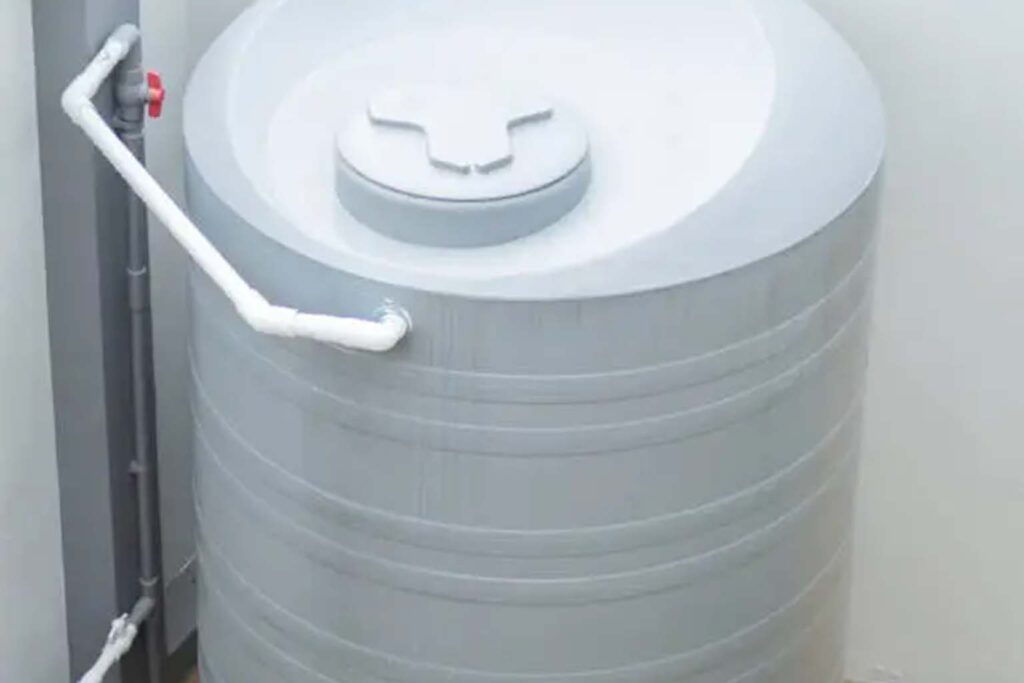
Well Tank Troubleshooting
Waterlogged tanks, wrong pressure-switch settings and short-cycling pumps are the usual faults that age well equipment early.
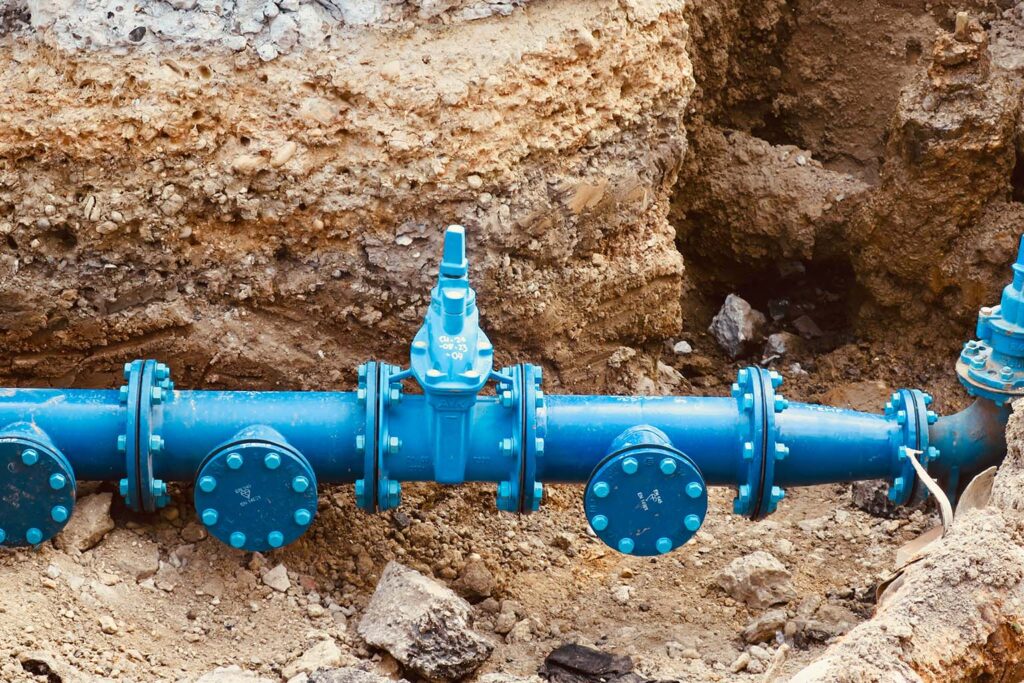
Pipe and Valve Updates
Corroded or tired pipe, shut-off valves, gauges and supports around the tank can be replaced together.
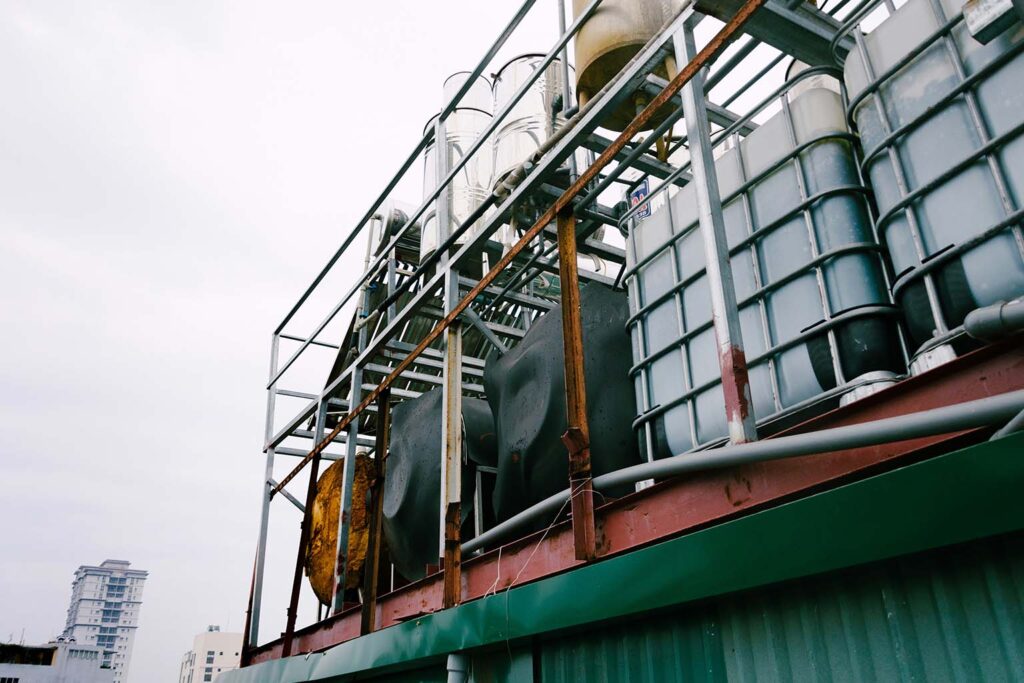
Tying In Storage Tanks
Backup and rainwater tanks get connected to the house plumbing with the pumps, filters and backflow protection required.
Hiring Tips
Questions to Ask Plumbing Orlando Florida About Tank Work

Following the Maker
Ask whether sizing, mounting and connections follow the manufacturer’s instructions, and whether the system is tested afterward.

Close to Home
Work centers on Orlando, FL homes, so a return visit is simpler to arrange if a tank needs another look.

Fixing Root Causes
A good repair addresses why the tank failed, whether that is an expansion tank or a full well tank swap.

Plain Guidance
Tank size and type depend on the heater, well or storage plan, and the plumber should explain why.

Respect for Your Home
Ask how floors and work areas will be covered and whether the space is left clean afterward.
Good plumbing is explained in plain words and fitted to the house in front of you, not copied from a template.
Faults
Tank Problems Worth Fixing
- Weeping tank or fittings
- Relief valve that drips or sprays
- Pressure that swings up and down
- Well pump that cycles constantly
- Corroded or rusting tank
- Pressure tank full of water
- Pipes that knock or hammer
- Expansion tank too small or dead
- Tank that cannot hold pressure
When a tank lies behind a household problem, the first job is finding out why it keeps happening.
Neighborhoods We Serve
Where Water Tank Service Is Offered in Orlando, FL
Tank service covers these areas:
Questions Homeowners Ask
Tank Questions
What is an expansion tank for?
Heating makes water expand. With nowhere to go in a closed system, that extra volume pushes up pressure on pipes, valves and the heater. The tank contains an air cushion that soaks up the surge, holding pressure steady and keeping the relief valve from weeping. Without one, every heating cycle sends a spike through the plumbing.
How do I know an expansion tank is bad?
Knock on it. Near the top a healthy tank sounds hollow, whereas a waterlogged one sounds solid from top to bottom. Also watch for a leaking relief valve, pressure that spikes when the heater cycles, and water spitting from the tank’s air valve.
What are symptoms of a failing well tank?
Short cycling is the classic sign: the pump starts and stops every few seconds with a faucet open. Pulsing pressure, a gauge needle that rises and drops fast, and rust or dampness on the tank point the same way. Any of them is worth a look.
Why does my heater's relief valve leak?
Often pressure is building each time the heater runs, which a dead or absent expansion tank allows. The valve itself may also be worn out. In both cases get it looked at promptly, because the valve is a safety device and should not be capped or ignored.
How long should a pressure tank last?
Water quality, pressure settings and the pump’s cycling frequency all matter. Checking the air pre-charge on a schedule and correcting short cycling quickly do the most to extend a tank’s service life.
Is swapping a tank a DIY job?
Some owners manage it, but the job involves draining the system, matching the tank’s air pre-charge to line pressure and making leak-free joints. One slip can flood a utility room or harm a pump or heater, so most people hire it out rather than risk it.
How do I pick an expansion tank size?
It hinges on the heater’s capacity and your line pressure, which a plumber can measure before choosing. Too small a tank lets pressure climb anyway, and too big a tank is money spent without benefit, so the match matters.
Do I need an expansion tank at my heater?
If a check valve or pressure-reducing valve closes off the plumbing, you usually need one, and many codes call for it with a new heater. Florida law requires a permit for most projects, so ask whether the City of Orlando Permitting Services Division expects one.
Why does my well pump keep cycling on and off?
Fast cycling normally means the tank has lost its air charge or its bladder has ruptured, so water can no longer be held under pressure. A bad pressure switch can do it too. Left alone, the pump wears out sooner than it should.
Which kind of tank suits a typical house?
That depends on use. Expansion tanks guard heaters on closed systems, bladder pressure tanks suit private wells, and polyethylene tanks are the common pick for storage above ground. The type gets chosen once the job is clearly defined.
What goes into the cost of replacing a tank?
Tank type and size, how easy the tank is to get at, and whether pipe or valves must change at the same time all affect cost. Ask for a written estimate once the plumber has seen the system.
Must a storage tank sit on concrete?
Not necessarily, but the base must be firm and level. Daily afternoon thunderstorms in Orlando soak soft ground, so a pad suits big tanks, while compacted gravel or a rated platform can carry smaller ones. A tilted base can crack a tank.