The cost to replace a toilet depends on the fixture, the work needed, and the plumbing around it. A simple swap in the same spot is often easier than changing toilet types or fixing damage. A plumber can review the job, explain what it includes, and confirm the final cost on a written quote.
In Orlando, the right choice depends on the home or business and how the restroom is used. A homeowner may need a basic replacement, while a busy business may need a sturdy fixture for daily use. Plumbing Orlando Florida can help property owners understand the work involved and compare toilet options for their space.
Table of Contents
- What determines the cost to replace a toilet?
- What does a standard toilet replacement include?
- How do toilet type and features affect replacement costs?
- What additional plumbing work can increase the cost?
- How does a commercial toilet replacement differ from a residential job?
- When is repairing a toilet more practical than replacing it?
- How can you compare plumber quotes for toilet replacement?
- What should you look for when hiring a plumber?
- How can you prepare for a toilet replacement?
- What should you confirm before approving the work?
What determines the cost to replace a toilet?
The total depends on the toilet, the work, and the state of the plumbing. Replacing a similar toilet in the same place is often more straightforward than changing the fixture type or fixing damage. The final cost is confirmed on a quote after the plumber reviews the job.
The toilet itself is one part of the decision. A common two-piece model may take less work to fit than a wall-hung or special design. The size, bowl shape, flush system, and parts supplied with the toilet can also affect the job. A new fixture must fit the room and plumbing, not just look like the old one.
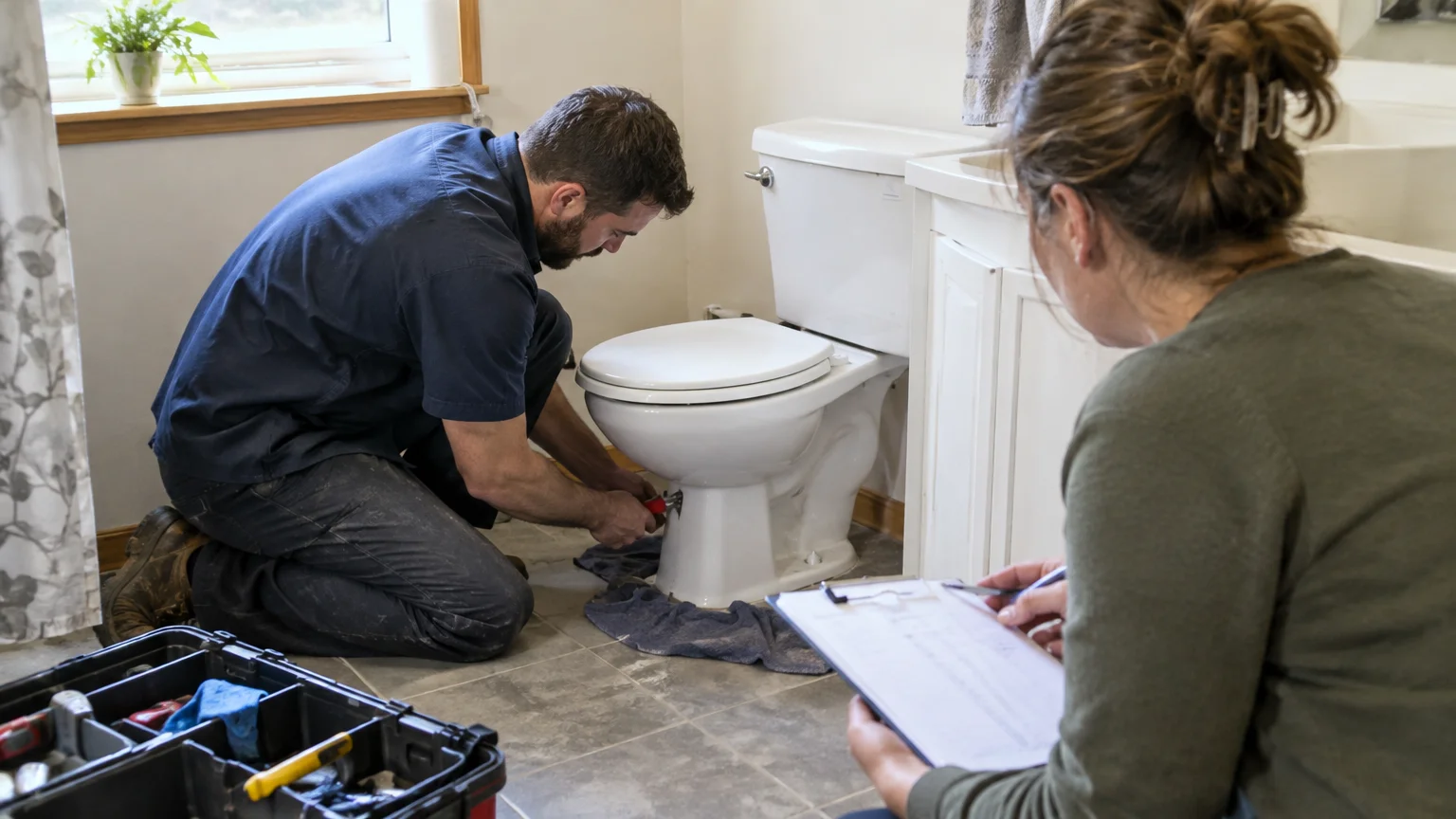
The work area can affect the plan, too. Tight spaces, stairs, or a hard-to-reach bathroom may make it harder to move the old and new fixtures. Work at a busy business may need extra planning to keep people safe and limit restroom downtime. The plumber may also need to remove the old toilet, protect nearby surfaces, and check the connections.
Hidden problems can change the work after the old toilet comes out. A damaged floor flange, a leaking shutoff valve, or a worn water line may need attention before the new toilet is safe to use. A flange is the fitting that connects the toilet to the drain pipe and helps hold the toilet to the floor. If it is damaged, a new toilet may leak or move if the problem is left alone.
Ask for a written quote that lists the planned work, parts, and removal of the old fixture. It should also explain what happens if the plumber finds damage that could not be seen before removal. Plumbing Orlando Florida can talk through these points with customers so they know what the planned work covers before they approve it.
What does a standard toilet replacement include?
A standard replacement often includes removing the old toilet, preparing the drain connection, fitting the new fixture, and testing it. The exact work depends on the plumbing and on what the written quote says. Check the listed work before the job begins so there are no unclear steps.
First, the plumber shuts off the water and empties the toilet tank and bowl. The old fixture is then disconnected and removed with care. Once it is out, the plumber can look at the drain connection and nearby floor for signs of damage. If the problem needs work that is not in the agreed plan, the customer should hear about it before extra work starts.
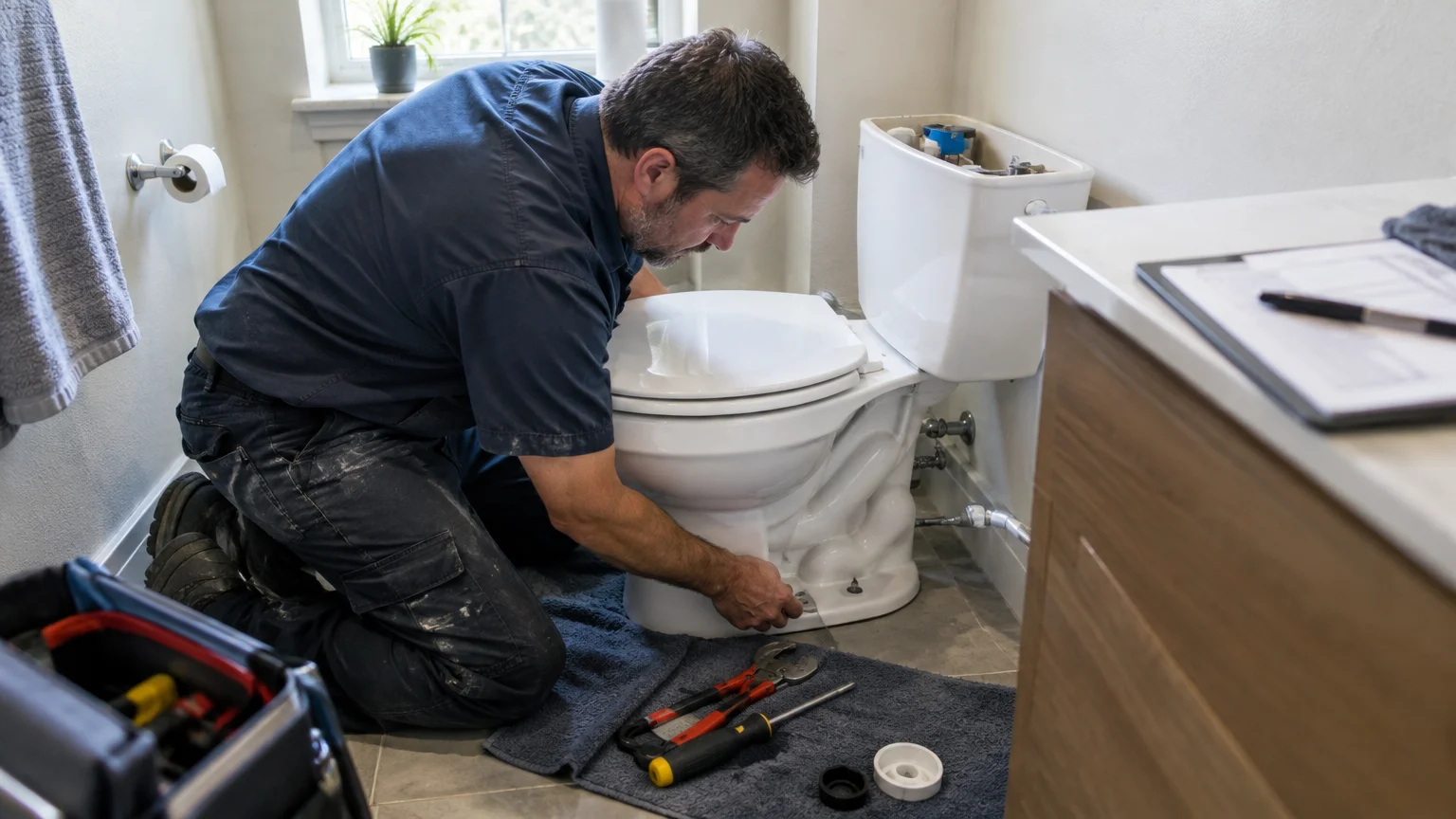
Next, the plumber prepares the base and drain connection. A new seal is usually placed between the toilet and drain opening. The plumber sets the fixture in place and secures it to the floor. Then the water line is connected, and the toilet is tested to check that it fills and flushes as expected.
A complete job should also include a check for leaks around the base and water connection. The plumber should explain any limits, such as damage that was hidden under the old toilet. Removal of the old fixture should be listed in the quote. Do not assume it is included if the quote does not say so.
Before work starts, check who will supply the toilet and which parts are included. These may include the seat, bolts, seal, or water line. Ask whether cleanup and removal are covered, and what happens if the shutoff valve will not close. Clear answers help avoid confusion once the work is underway.
How do toilet type and features affect replacement costs?
The kind of toilet affects both the fixture choice and the work needed to fit it. A similar replacement in the same spot is often simpler than changing the design. A different toilet may need new connections or changes to the wall or floor.
A two-piece toilet has a separate tank and bowl. A one-piece toilet has both parts joined together. The right choice depends on the room, the plumbing, and how the fixture can be moved into place. A wall-hung toilet is attached to a frame inside the wall. Replacing one can mean working on that frame and its connections, so it may not be a direct swap for a floor toilet.
Flush systems and bowl shapes can affect the fit. Some toilets use different parts or need a certain water connection. A round bowl may work well in a small room, while an elongated bowl may give more sitting space. The room layout and the drain’s distance from the wall help show which models will fit.
Access needs may guide the choice, too. A household may want a seat height that is easier to use. A business may need a toilet that suits its restroom layout and regular use. Commercial fixtures may need to handle frequent use and be simple to maintain. A plumber can explain which choices work with the current plumbing and the way the room is used.
Before choosing a toilet, check its size, water connection, drain position, and included parts. A toilet that looks like the old one may still not fit. A plumber can check the space and connections before the fixture is ordered. This can help avoid delays or changes during the job.
What additional plumbing work can increase the cost?
Extra work may be needed if the plumber finds damaged or worn parts near the toilet. A new fixture will not fix a leak caused by a bad connection, a weak floor, or another plumbing issue. The plumber should explain any added work and confirm the revised cost on a quote before doing it.
The flange can crack, loosen, or sit at the wrong height. It connects the toilet to the drain and helps hold the fixture in place, so it must be in good shape. The shutoff valve may also be stuck, rusty, or unable to stop the water. A worn water line may leak or fail to fit the new toilet.
Water near the toilet base needs attention. A failed seal can cause it, but a cracked toilet or damaged floor can also be the source. If water has reached the subfloor, the plumber may need to explain work beyond a simple replacement. The subfloor is the layer below the finished floor, and damage there can stop the toilet from sitting firmly.
Old or unusual connections may need changes to fit the new toilet. Ask the plumber why each added task is needed and whether it was part of the first quote. If possible, look at the affected area with the plumber. Ask for an updated written quote before approving extra work.
A toilet that keeps running may need a small repair instead of a new fixture. The cause may be a worn flapper or a fill valve that does not shut off. A flapper is the moving seal at the bottom of the tank. The fill valve controls the water that enters the tank. If the toilet is in good shape, Toilet Repair may fix the problem without replacing the whole fixture.
How does a commercial toilet replacement differ from a residential job?
A commercial toilet replacement often needs more planning because many people may use the restroom. The plumber needs to consider how the fixture will be used, how people enter the space, and how work may affect the business. A clear plan can help keep the area safe and reduce disruption.
A busy restroom may need a toilet made for frequent use and simple care. The right model also depends on the drain, water line, room layout, and building needs. Property owners and managers should check these points with a qualified plumber before buying a replacement. This helps make sure the fixture suits the room and the people who use it.
Timing and access matter as much as the toilet choice. A business may need to keep another restroom open, tell staff about a short closure, or plan work for a quieter time. The plumber should know about building rules, entry steps, and any limits on when work can happen. These details help the plumber plan the job around daily use.
If a property has several restrooms, the owner should say which ones are most important to keep open. A clear plan can help the plumber finish work while limiting disruption. It can also help the business decide whether to replace one toilet at a time or arrange several jobs together.
Commercial property owners should ask what the quote includes and how the work area will be kept safe. They should also ask how the plumber will test the toilet and handle disposal. Any unexpected work should be explained and approved before it starts. Plumbing Orlando Florida can discuss the needs of a home or business with customers before work begins.
When is repairing a toilet more practical than replacing it?
Repair is often the better choice when the toilet is firm, has no cracks, and needs a replaceable part. Replacement may make more sense if the fixture is damaged, keeps having problems, or no longer suits the property. A plumber can compare the repair work with the replacement work before you decide.
A homeowner can safely check a few simple things. Look inside the tank to see whether the chain is caught. Check that the flapper rests flat after flushing. You can also clean mineral buildup from removable parts if the maker’s guide says it is safe. Do not take apart pipes or force a stuck valve.
A running toilet may need a new flapper or fill valve. Before trying a repair, shut off the water supply and make sure the part fits the toilet. A toilet that is not flushing may have a different cause, such as a blocked passage or a problem with the flush parts. If the shutoff is hard to reach, will not work, or the problem stays after a simple check, ask a plumber to inspect it.
A toilet repair flapper may help when water slowly moves from the tank into the bowl. Choose a flapper that fits the flush valve and follow the maker’s directions. DIY toilet repair is best kept to simple checks and upkeep when the water supply can be safely shut off. Do not try a repair if the tank or water line is cracked or leaking.
Think about replacement if the bowl or tank is cracked, the toilet rocks because its base is damaged, or leaks keep returning. Repeated clogs, poor fit, or a fixture that does not suit the users can also make replacement worth considering. A plumber can explain the likely repair and replacement work without assuming one choice is right for everyone.
The toilet repair cost depends on which part failed and what work is needed. A simple part change is often a smaller job than replacing the whole toilet or fixing damage under it. A running toilet repair may be simpler when the fixture is sound and the faulty part is easy to reach. The final cost is confirmed on a quote after the problem is checked.
How can you compare plumber quotes for toilet replacement?
Compare quotes by checking whether they cover the same work and parts. The lowest-looking quote may leave out disposal, connection parts, or repairs that another quote includes. The final cost should be confirmed on a written quote before you approve the work.
Check whether the quote names the toilet model or says who will supply it. It should describe removal, installation, seals or fittings, testing, and disposal. If the plumber has not seen the flange or floor, ask how they will handle that unknown once the old toilet is removed. This can help you compare the full scope of each quote.
Ask whether repairs to the shutoff valve, water line, or flange are included. If they are not, ask how the plumber will explain added work and get your approval. A clear plan helps you decide what to do if damage is found after removal. Do not approve extra work until you understand the reason and the updated scope.
Quotes are easier to compare when they cover the same kind of toilet and similar work conditions. One quote may include a fixture, while another may cover installation only. Check each item rather than looking only at the final amount. Also ask whether cleanup, leak checks, and a flush test are part of the job.
Keep the written quote and any changes with the property records. This can help landlords, managers, and business owners track repairs over time. Ask for plain words if a part of the quote is unclear. A reliable plumber should explain the work and answer questions without pressure.
Related plumbing work, such as water heater replacement, is a separate job with its own parts and work needs. Do not compare it directly with toilet work as if the tasks were the same. If a quote covers more than one plumbing job, ask for each part of the work to be described clearly. This makes the scope easier to understand.
What should you look for when hiring a plumber?
Choose a plumber whose license, insurance, and experience fit the work and local rules. Rules can differ by state and city, so check with the right licensing office instead of assuming one rule applies everywhere. Ask questions before booking if you are unsure what the plumber is qualified to do.
Ask whether the plumber has worked on similar toilet replacements. A wall-hung fixture, a commercial restroom, or unusual connections may need more than a simple swap. The plumber should explain what they will check and why the chosen toilet fits the room. Clear answers can help you feel ready to approve the work.
Good communication is important. The plumber should explain the plan, point out what may change, and tell you how they will ask for approval if more repairs are needed. This helps you know what the quote covers. Do not agree to work if the scope or next steps are still unclear.
Check that the written documents name the business and describe the work. Ask what work assurances apply and how to raise a concern after the job. Read the terms instead of relying only on broad promises. Keep a copy of the quote, approvals, and product details with your property records.
For a rental property or business, check who can approve changes and arrange access. The owner, tenant, manager, or building contact may each have a role. Plumbing Orlando Florida can explain its process to customers who are considering toilet work. Ask what to expect before deciding whether to move ahead.
How can you prepare for a toilet replacement?
Clear the space around the toilet and tell the plumber about known leaks, repairs, or unusual plumbing. A tidy work area helps the plumber move tools and fixtures safely. Sharing what you know can also help the plumber plan the visit.
Move personal items, floor mats, and stored supplies away from the toilet. Keep children and pets out of the work area while the job is underway. If the bathroom has a narrow doorway or stairs, mention that before the visit. The plumber can then plan how to move the old and new toilets safely.
Share any known problems, such as a slow leak, a stuck shutoff valve, or a toilet that rocks. Tell the plumber if water has damaged the floor near the base. Mention earlier repairs or an unusual drain layout, too. These details can help the plumber plan what to inspect and explain any possible changes to the work.
For a rental, arrange access with the tenant and property manager. For a business, tell staff or customers if the restroom will be closed. Let them know if another restroom is available. A manager should also check building access rules and explain where the plumber can enter or park through private arrangements.
Confirm who will supply the toilet and whether it will be ready before the appointment. Check that the model fits the room and plumbing. If water is leaking now or the supply cannot be shut off, tell the plumber when arranging the visit. That information can help the plumber plan how to deal with the issue safely.
What should you confirm before approving the work?
Before work begins, confirm the written scope, the toilet and parts included, and how hidden damage will be handled. Before the plumber leaves, check that the toilet flushes, the connections do not leak, and the work area is clean. These checks help you understand what was done and what to watch for.
The quote should describe the planned removal and installation. It should also say whether the plumber supplies the toilet, removes the old one, and replaces connection parts. If a repair may be needed after removal, ask how the plumber will explain the problem. Make sure extra work is approved before it starts.
After the toilet is fitted, it should sit firmly without rocking. The plumber should check the water connection and toilet base for leaks, then test the flush and tank refill. Ask the plumber to explain any changes and show you where the shutoff valve is. Knowing its location can help if a leak happens later.
If water appears near the base or water line, tell the plumber before they leave. Do not ignore a toilet that shifts, keeps refilling, or does not flush as expected. Ask what to do if a concern appears later. Keep the quote and product papers with the property records.
Key takeaways
- The toilet, work scope, access, and plumbing condition shape the final quote.
- A standard replacement should include removal, installation, and operation checks.
- A sound toilet with one worn part may need repair instead.
- Compare quotes by checking parts, disposal, work, and exclusions.
- Confirm the toilet is firm, flushes well, and has no visible leaks.
Frequently Asked Questions
How long does it take to replace a toilet?
The time depends on the fixture, access, and plumbing condition. A simple replacement may take less time than a job with a stuck valve, damaged flange, or floor repair. Ask the plumber for an estimate of the work time after they understand the job. Plan for the bathroom to be out of use during the visit.
Can a homeowner replace a toilet without a plumber?
A capable homeowner may replace a toilet when the shutoff works, the connections are sound, and the new fixture fits. Stop if the toilet rocks, a connection leaks, or the flange is damaged. A plumber is the safer choice when the water cannot be shut off or the drain connection is unclear.
Should the shutoff valve be replaced with the toilet?
Not in every case. A valve that works and fully stops the water may not need to be changed. If it is stuck, rusty, leaking, or will not close, ask the plumber to explain the repair before installing the toilet. The valve is easier to check while the old fixture is out.
Why does a new toilet leak at the base?
A leak at the base may mean the seal is not set well, the toilet is loose, or the flange is damaged. Water can also come from the tank or water connection and run onto the floor. Stop using the toilet if water keeps appearing, and have the source checked.
Is it worth repairing a toilet that keeps running?
Often, yes, if the toilet is otherwise in good shape. A worn flapper or fill valve may keep the tank running, and changing the faulty part may fix it. If repairs keep failing, the toilet is cracked, or it does not fit the property’s needs, compare repair and replacement work.
Conclusion
Replacing a toilet can be a simple swap or a larger plumbing job. The flange, shutoff valve, water line, and floor can all affect the work. A clear written quote helps property owners understand the scope, compare plumbers, and approve the right work. These considerations apply to homes and businesses in Orlando, too.
For help reviewing a toilet replacement at a home or business, Contact us to discuss the job with Plumbing Orlando Florida.
If you are not sure what you are dealing with, it is worth having someone look at it before it turns into a bigger job. Get in touch with Plumbing Orlando Florida in Orlando, Florida today and we will tell you where you stand.