Fixture installation mistakes often cause leaks when parts do not fit, seals shift, or connections are tightened the wrong way. Careful checks before and after the work can help prevent water damage. Homeowners can handle simple checks, but hidden leaks or repeated problems need a plumber.
Table of Contents
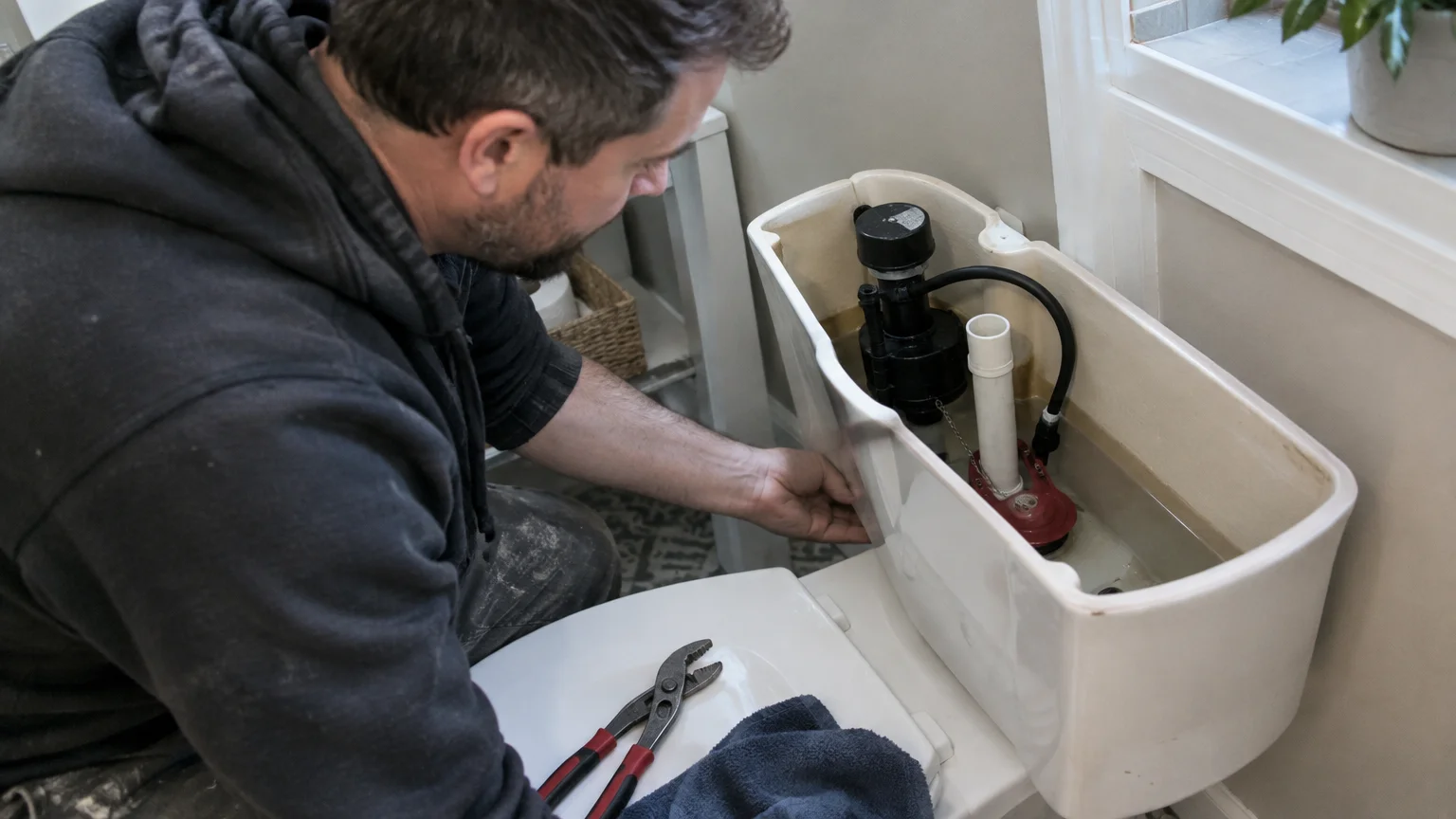
- Which fixture installation mistakes most often cause leaks?
- How can you check compatibility before installing a fixture?
- What can go wrong when preparing water supply connections?
- How do faulty seals cause toilet and faucet leaks?
- Why do alignment and support matter during fixture installation?
- How should you test a newly installed fixture for leaks?
- When should you call a plumber about a leaking fixture?
- Frequently Asked Questions
Which fixture installation mistakes most often cause leaks?
Poor fit, damaged seals, loose or overtightened joints, and bad alignment are common causes. Each can let water escape around a fitting or fixture. Even a slow drip can spread into cabinets, floors, walls, and other parts of a building.
How small installation errors become water damage
A connection can look secure even when its seal is pinched or out of place. Water may seep out only when a faucet runs or a toilet fills. This can make the leak hard to notice at first. Checking for a puddle right after the work is not enough; look at the joints and nearby surfaces during normal use, too.
Watch for damp cabinet floors, water stains, loose fixture parts, or a musty smell. A toilet may rock or leave water near its base. A faucet may drip below the sink even when the handle and spout look dry. These signs may point to a bad seal, a loose water line, or another plumbing problem.
Why fixture type and connection details matter
Toilets, faucets, sinks, and shower fixtures use different seals and fittings. A toilet seal sits between the toilet and the drain opening. Faucet parts may include washers, cartridges, or rings that keep water in. A wrong part or poor fit can cause a leak, even when the fixture is new.
The right way to install a fixture also depends on its instructions and the pipes already in place. Plumbing Orlando Florida helps property owners in Orlando understand what may need checking. For routine problems, Toilet Repair or bathroom installation help may be useful. Do not leave a fixture dripping after a careful check. A leak can also affect nearby drains, and clogs or drain repair may need attention if water does not flow as it should.
How can you check compatibility before installing a fixture?
Check the fixture size, fitting type, and water connections before removing the old one. Compare these details with the maker’s instructions and the plumbing already in place. A poor match may need other parts or changes. A connection made to fit by force may leak later.
Matching dimensions, fittings, and supply connections
Compare the new fixture with the old one first. Check the mounting holes, the width of the base, and where the water lines connect. For a faucet, make sure the sink or counter openings suit its design. For a toilet, check that the base and drain line up with the floor opening.
Then look at the water lines and fittings. A supply line is a tube that carries water from a shutoff valve to a fixture. Its ends must fit both sides well. Do not assume a line will fit just because it looks close. Its threads, shape, and length matter. A line that bends sharply or pulls on a fitting can strain the joint.
Checking instructions and local requirements
Read the fixture instructions before starting. They show which parts belong with the fixture and how they should fit. Keep the seals and hardware together. If a part is missing, the wrong size, or hard to understand, stop and check what you need. Do not force parts to fit.
Plumbing rules can differ by place and job type. A simple replacement may not have the same rules as changing pipes or adding a new connection. Homeowners in Orlando should check local rules before work that may need approval. If a fixture change involves pipes you do not know, wall openings, or a different drain setup, ask a plumber for guidance. This can help keep a small job from turning into a larger repair.
What can go wrong when preparing water supply connections?
Leaks can start if the water is not fully shut off, threads are damaged, or the wrong sealant is used. Prepare each connection with care and follow the fixture instructions. If a shutoff valve will not close or starts to leak, stop. Do not force it.
Shutting off and verifying the water supply
Before taking apart a water line, close the shutoff valve for that fixture. Then open the faucet or flush the toilet to make sure the water has stopped. Keep a container and towel nearby for water left in the line or fixture. If water keeps flowing, the valve may not close all the way.
A homeowner can check a valve that is easy to reach and wipe up small spills. The valve should turn without force. If it is stuck, rusty, or leaking around its stem, do not use heavy force or tools. That may harm the valve or pipe. Stop the work and have a plumber check it.
Avoiding damaged threads and unsuitable sealants
Threads help hold some fittings together, but they can be harmed when parts cross or turn at an angle. Start threaded parts gently and make sure they turn with ease. If they stick or sit crooked, back them off and check the fit. Forcing them can damage the fitting and make a tight seal harder to get.
Not every connection uses the same sealant. Some fittings seal with a washer or ring and should not have extra tape or paste. Other threaded joints may need a sealant made for that use. Follow the instructions for the fixture and the connection. Tighten parts only as directed. Too much force can crush a washer, crack a fitting, or strain a pipe.
How do faulty seals cause toilet and faucet leaks?
A seal keeps water from passing through a joint that should stay closed. If it is missing, worn, dirty, or out of place, water can escape during normal use. Toilets and faucets use different seals, so the right part and placement are important.
Installing toilet seals and mounting hardware correctly
A toilet seal joins the toilet outlet to the drain opening in the floor. If the toilet is set down off-center, the seal can shift or leave a gap. A toilet that rocks can also strain the seal. Keep the toilet steady and lined up as you fit it. Follow the maker’s directions for its bolts and other parts.
Do not use loose bolts to pull a badly placed toilet into position. This can put uneven pressure on the base and may crack the fixture. The floor should be firm, and the toilet should sit level without rocking. If the base moves, water appears around it, or an odor remains, ask a plumber to check the seal or drain connection.
A toilet that keeps running may have a problem inside its tank. The flapper may be worn, or the float may be set wrong. A flapper is the rubber part that opens to let tank water into the bowl. A homeowner can look inside the tank for parts that seem out of place. If a simple change does not stop the water, Toilet Repair can help find the cause.
Positioning faucet washers, cartridges, and rings
Faucet seals can wear or shift around moving parts and water lines. A washer is a small part that helps close a joint. A cartridge controls water flow in many faucets. If either part is the wrong type or sits badly, the faucet may drip from the spout or leak below the sink.
Before fitting a new part, compare it with the old one and read the faucet instructions. Keep the parts clean, and do not twist a seal as you put it in place. When the faucet is back together, open the water slowly. Watch the base, handles, and water lines. If a leak returns after changing a part, another issue may be present, such as a damaged fitting or worn faucet body.
Why do alignment and support matter during fixture installation?
Good alignment lets water flow through a fixture and into the drain without pulling on joints. Support keeps the fixture steady during daily use. If a toilet, faucet, or drain is forced into place, its connections can shift, weaken, or leak later.
Keeping toilets, faucets, and drains aligned
A toilet should sit squarely over its drain opening, with its base steady on the floor. A sink drain should meet its pipes without a sharp bend or sideways pull. A faucet should sit flat against the sink or counter, with its seals in place. Check the fit before tightening the hardware so parts do not sit at an angle.
Water lines also need a clear, natural path. A line that is stretched, crushed, or sharply bent can strain its ends. Keep lines away from sharp edges and moving parts. If the old pipes do not line up with the new fixture, do not use force to close the gap. A plumber may need to change the connection the right way.
Securing fixtures without stressing pipes
Mounting parts should hold a fixture in place without crushing it. Tighten them in the order and way the maker explains. Keep a faucet steady as you secure its mounting parts. For a toilet, check that it does not rock before you finish. A fixture that shifts with each use can put stress on nearby seals.
Support matters under sinks and behind walls, too. Pipes should not carry a fixture’s weight or be pulled to hold it in place. A homeowner can check visible parts for movement and signs of strain. If a pipe moves with the fixture or a joint is hidden in a wall, a plumber can check the support and help limit hidden water damage.
How should you test a newly installed fixture for leaks?
Run water and check each visible joint, seal, and nearby surface. Look again after normal use because some leaks appear only when a toilet refills or a drain carries water. Dry surfaces make new drips easier to see.
Checking supply lines and joints under normal water pressure
After installation, open the shutoff valve slowly. Watch the water line, valve, and fixture connection as water flows. Use a dry paper towel or cloth around the joints; a damp mark can show a small leak. Do not skip a check just because the joint looks dry at first.
If a joint drips, close the valve and inspect the fitting only if it is safe and easy to reach. Do not keep tightening it without knowing why it leaks. A damaged washer or wrong fitting will not be fixed by more force. If the valve leaks or the water cannot be shut off, stop and call a plumber. For a leak that needs urgent help, emergency plumbing may be needed.
Testing drains, flushes, and repeated use
Run a faucet and check the water lines and drain below the sink. Fill the basin partway, then let the water drain while you watch the trap and joints. A trap is the curved pipe under many sinks that holds water and blocks sewer gas from entering the room. Make sure water drains smoothly and no joint drips.
For a toilet, flush it more than once and watch the tank refill. Look around the base and water line, then check again after the floor dries. Homeowners can do these checks without taking pipes apart. Keep watching for dampness during normal use. If a leak comes back, note where it appears and when it happens. If a drain is slow or clogged, drain cleaning may help address that separate problem.
When should you call a plumber about a leaking fixture?
Call a plumber if a leak is hidden, keeps coming back, or damages floors, walls, cabinets, or ceilings. Get help if a valve will not shut off or a fitting is damaged. Homeowners can safely do simple checks and cleaning. Repairs involving pipes you are unsure about need a plumber.
Recognizing hidden leaks and recurring failures
Water can move away from a leak before it shows. Stains, peeling paint, soft flooring, damp cabinet panels, or a lasting musty smell may point to water behind a surface. Shut off the fixture’s water if it is safe. If water is spreading or you cannot find the source, contact a plumber soon.
Leaks that keep returning also need a closer look. A new washer or seal should not fail again right away. The cause may be poor alignment, a damaged fitting, pressure on a pipe, or a problem inside a wall or floor. Plumbing Orlando Florida can help property owners understand fixture problems and decide what needs checking. The same care is useful in homes and business properties across Orlando.
Low water pressure may seem like a fixture problem, but it can have other causes. Check whether one fixture or several have weak flow. A blocked aerator, the small screen at a faucet tip, may be cleaned at home. If pressure drops across the property or changes quickly, a plumber can check the wider plumbing system.
Preparing useful details about the problem
Before a service visit, note where water appears and when it starts. Tell the plumber if the fixture was recently installed and which checks you have done. Say whether the leak changes when water runs or a toilet flushes. Clear access to the fixture can also help the check go smoothly.
Do not take apart parts you do not know. Keep the area dry if you can, and move items away from the leak. If the fixture valve works and the leak is limited to that fixture, shutting it off may help limit water loss. If the valve is stuck or the leak is widespread, leave it alone and ask for help.
Key takeaways:
- Check fit, seals, alignment, and instructions before installing a fixture.
- Do not force a mismatched fitting or stuck shutoff valve.
- Test water lines, drains, and fixtures during normal use.
- Call a plumber for hidden, recurring, or damaging leaks.
Conclusion
Careful fitting and simple leak checks can prevent many fixture problems. Homeowners can inspect visible joints, clean a faucet aerator, and look for damp spots. They should stop if a valve, pipe, or hidden connection is uncertain. Contact us to have Plumbing Orlando Florida check a leaking fixture.
Frequently Asked Questions
What causes a toilet to keep running?
A toilet often keeps running because its flapper does not seal, its float is out of place, or a tank part is worn. A homeowner can look inside the tank for a part that is stuck or damaged. If a simple change does not help, a plumber can find the cause.
Can a homeowner fix a dripping faucet?
A homeowner may be able to clean a clogged faucet aerator or replace a washer that clearly matches. Follow the faucet instructions. First, shut off the fixture’s water and make sure it has stopped. If the valve is stuck, the leak is below the sink, or the drip returns, call a plumber.
How can someone tell whether a fixture leak is hidden?
Look for damp cabinet floors, stains, soft surfaces, peeling paint, or a musty smell near the fixture. A leak may travel before it appears, so the wet spot may not be the source. If you see damage or cannot find the source, stop using the fixture and arrange a plumbing check.
Should thread tape be used on every plumbing connection?
No. Some connections seal with a washer or ring and do not need thread tape. Other threaded joints may need a suitable sealant. Follow the instructions for the fixture and fitting. Tape in the wrong place can stop parts from fitting well and may lead to a leak.
What should be checked after installing a new faucet?
Run water and inspect the supply lines, faucet base, handles, and drain connections. Then fill the sink partway and let it drain while checking below the basin. Wipe the joints dry and check again during normal use. If water returns, stop using the faucet and have the connection checked.
If you are not sure what you are dealing with, it is worth having someone look at it before it turns into a bigger job. Get in touch with Plumbing Orlando Florida in Orlando, Florida today and we will tell you where you stand.