The main signs you need a plumber include a burst pipe, fast leak, sewage backup, overflowing toilet, gas smell, or unsafe water heater. Shut off water when safe, keep people away from danger, and seek emergency plumbing help before a small fault causes serious damage. Quick action can protect your Orlando property.
A plumbing problem can make a quiet home stressful in minutes. Water may move under floors, damage walls, or reach electrical parts. A blocked drain may also point to a larger sewer issue.
Plumbing Orlando Florida helps property owners in Orlando understand when a problem needs quick action. This guide explains what to do first, which warning signs matter most, and when a safe home check may be enough.
Table of Contents
- What should you do during a plumbing emergency?
- How do you know if a water leak requires immediate plumbing help?
- When is a burst or damaged pipe an emergency?
- When should you call a plumber for a clogged or overflowing toilet?
- Is a backed-up drain a plumbing emergency?
- Which water heater problems need immediate attention?
- How can you prevent a plumbing emergency from becoming more serious?
- Frequently Asked Questions
- Conclusion
What should you do during a plumbing emergency?
During a plumbing emergency, protect people first. Then stop the water flow if it is safe. Keep clear of standing water near outlets, panels, or appliances. Anyone who smells gas should leave the building and contact the gas utility or emergency services from a safe place.
How to shut off the water safely
Most homes have a main water shutoff valve. It is often near the water meter or where the main pipe enters the home. It may also be in a utility room, garage, or crawl space. Turn the valve clockwise to stop water to the whole building.
A smaller valve may be behind a toilet, below a sink, or beside a water heater. These valves can stop water at one fixture. Do not force a valve that will not move. A broken handle may need a plumber’s help.
After shutting off the water, open a cold tap for a short time. This can release pressure in the pipes. It may slow the flow, but it will not fix the fault. If water continues to spread, move away from unsafe areas and call for help.
When temporary measures are appropriate
Temporary steps can limit damage while help is coming. Use a bucket under a slow drip and place towels around a small wet area. Move furniture, boxes, and other items away from the water. Photos can also help show where the problem began.
Do not use tape, sealant, or a clamp as a lasting fix on a pressurized pipe. Do not remove a water heater panel or test a gas appliance. Never work on wiring near wet areas. Plumbing Orlando Florida can help Orlando property owners decide which checks are safe and which problems need urgent plumbing support.
How do you know if a water leak requires immediate plumbing help?
A leak needs immediate help when it is fast, hard to control, near electrical parts, or damaging walls and floors. A small drip from a loose faucet may wait for routine service. Water from a ceiling, wall, pipe, or appliance connection needs closer attention.
Visible leaks, water stains, and damp building materials
Visible water is a clear warning sign. A leak under a sink can harm cabinets and flooring. Water around a toilet may come from the supply line, tank, seal, or drain connection. A ceiling stain may show that water is moving through a hidden space above.
Soft drywall, peeling paint, warped flooring, and a musty smell also matter. These signs suggest that materials have stayed wet. Move belongings away and shut off the nearest valve when safe. Do not cut into a wall without knowing where pipes and wires run.
A leak that reaches an outlet, light, or appliance needs extra care. Do not touch wet electrical equipment. Leave the area and ask for professional help if you cannot reach the water shutoff safely.
Hidden leaks and signs of water damage
Hidden leaks can be hard to find. Damp areas with no clear cause, warm floor patches, low water pressure, or the sound of running water may point to a leak behind a wall or below a floor. A water meter that changes while every fixture is off can support that concern, but it will not show the exact location.
A leak under a slab, inside a ceiling, or near electrical equipment needs prompt attention. Delays can lead to mold, damaged wood, and more repair work. Leak detection can help find the source without opening large areas at random.
When is a burst or damaged pipe an emergency?
A burst or badly damaged pipe is an emergency when water flows without stopping. It is also urgent when the pipe cannot be isolated or water enters walls, ceilings, floors, or electrical areas. Corrosion, loose joints, high pressure, and cold weather can all harm supply pipes.
Common warning signs of a burst pipe
Common signs include a sudden loss of water pressure, rushing sounds, wet spots, and water pooling without a clear source. A pipe may split inside a wall or ceiling. The first sign may be a stain, bulge, or sagging surface.
Outside, an unusually wet area or fast-growing puddle may point to a buried line problem. A homeowner should shut off the main water supply when safe. Open a faucet briefly to reduce pressure, then move items away from the wet area.
If the water will not stop, emergency plumbing help is needed without delay. A burst pipe can release a large amount of water before the source is found. Do not spend time trying to make a complex repair alone.
Why delayed pipe repairs can worsen property damage
A damaged pipe can release water long after the first warning. Water may travel along joists, under flooring, and through insulation. It may also reach outlets, light fixtures, or appliances. These risks make safety more important than a difficult do-it-yourself repair.
Pipe repair may include finding the break, removing damaged material, replacing the failed section, and checking for other leaks. The final cost depends on pipe size, access, parts, urgency, and the amount of damage. The plumber confirms the final cost on a quote before approved work begins.
When should you call a plumber for a clogged or overflowing toilet?
Call a plumber when a toilet keeps overflowing, will not drain after safe plunging, backs up more than once, or affects other fixtures. A toilet that keeps running is usually not an emergency when the bowl is empty and the shutoff valve works. It still wastes water and needs repair.
Signs a toilet blockage is more serious than a simple clog
A blockage may involve more than the toilet when water rises in a nearby tub, shower, or floor drain. Gurgling sounds, sewage odors, slow drains in several fixtures, or repeated backups can point to a main drain or sewer line problem. These signs need professional diagnosis.
You can close the toilet’s supply valve by turning it clockwise. You may try a toilet plunger with a flange if the bowl is not close to overflowing. If plunging does not work, stop trying. More attempts may push water farther into the system.
What to avoid when an overflow is spreading
Do not flush the toilet again or pour chemical drain cleaner into the bowl. Chemicals may splash, harm plumbing parts, and create a danger for anyone who later works on the line. Keep children and pets away from contaminated water.
Treat overflow water as dirty. Clean and dry the area only after the plumbing fault is fixed. A toilet repair plumber can check whether the issue is in the tank, trap, drain, or larger sewer system.
Is a backed-up drain a plumbing emergency?
A backed-up drain is an emergency when wastewater rises, several drains stop working, or sewage enters the building. A slow bathroom sink may need routine drain cleaning. A backup across the home may signal a main sewer line problem.
How to distinguish a localized clog from a main sewer line problem
A localized clog usually affects one fixture. Hair, soap, food waste, or a small object may block a sink or tub. You may remove visible debris and use a suitable plunger. This is often safe when there is no wastewater present.
A main line problem affects several fixtures at once. Toilets may gurgle when a sink drains. Water may rise in a shower after the washing machine runs. These patterns mean wastewater may not have a clear way out of the property.
Warning signs that multiple drains are affected
Important warning signs include sewage odors, bubbling toilets, slow drains throughout the building, and water from a floor drain. Heavy rain can also reveal a weak or damaged drainage system. Storm water may enter a line that is already restricted.
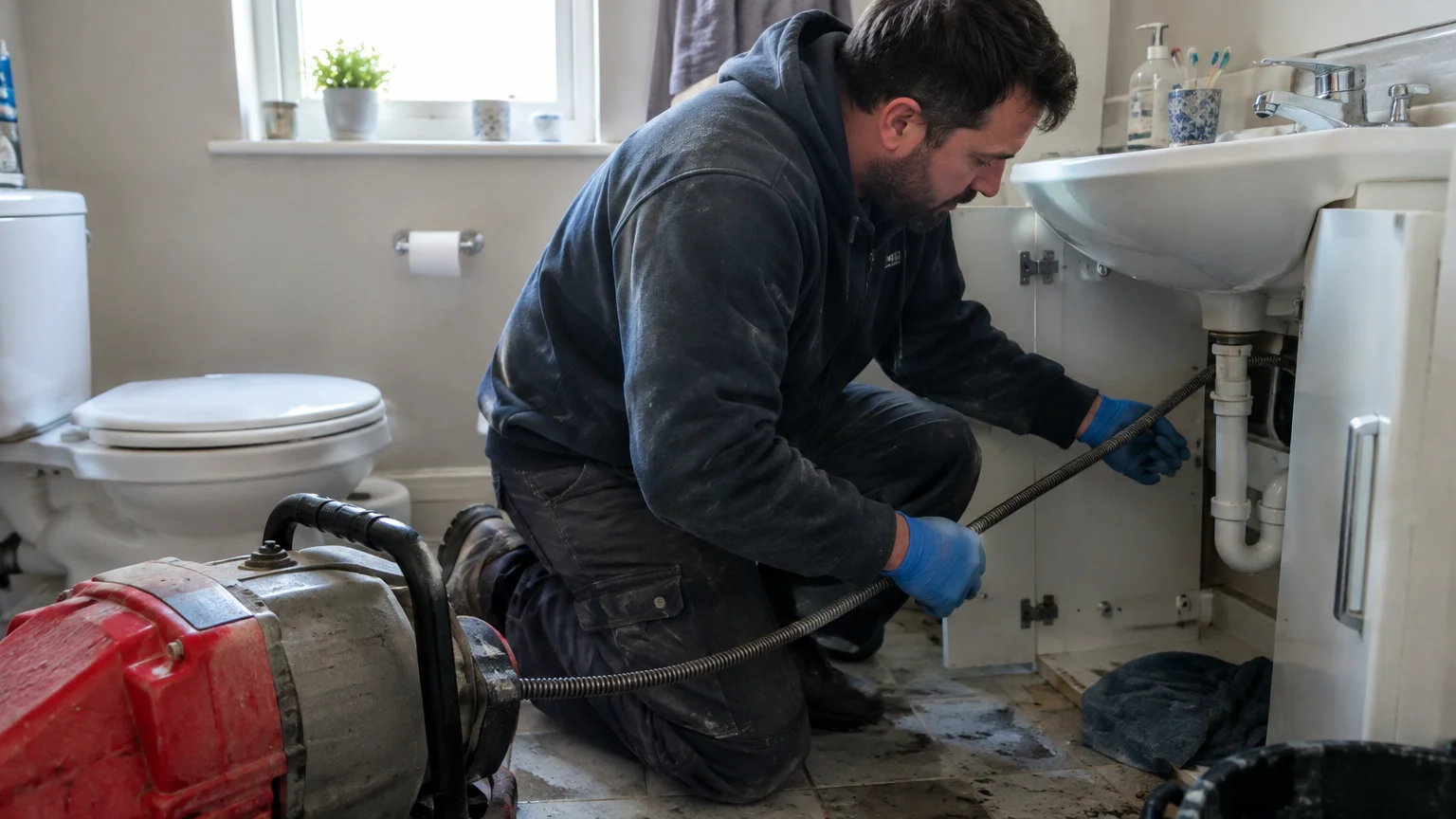
Stop using sinks, showers, toilets, and laundry appliances when several fixtures are affected. A plumber can inspect the system and choose a safe method for drain cleaning. Do not cut into a pipe or use strong chemicals. These steps can make the cause harder to find.
A single slow drain may not need a professional right away. Safe cleaning and careful plunging can help with a small clog. Repeated clogs, foul smells, or several affected drains need drain repair or other professional service.
Which water heater problems need immediate attention?
Water heater problems need immediate attention when the tank leaks, water is scalding, pressure seems abnormal, gas is suspected, or electrical parts are wet. A full loss of hot water may need prompt repair. It is not always an emergency when there is no leak or safety risk.
Leaks, pressure issues, and unusual noises
Water around a tank, relief valve, pipe connection, or drain pan should be checked quickly. A small connection leak may grow. Water from the tank body often points to internal failure. Do not move or open a water heater unless you are trained to do so.
Banging, popping, rumbling, or hissing sounds can show mineral buildup, trapped steam, or another fault. These sounds do not always mean immediate danger, but they should not be ignored. A water heater repair plumber can check the unit and explain whether repair or replacement is suitable.
Loss of hot water, scalding risks, and electrical concerns
A failed heating part, thermostat, burner, or control can cause cold water. Water that suddenly becomes too hot can burn people. This is especially dangerous for children and older adults. Do not keep changing the temperature control without finding the cause.
If an electric water heater is wet, turn off the breaker only when the panel is safe to reach. Do not step through standing water to reach it. A gas smell requires immediate evacuation, not a search for the source.
For gas line plumbing concerns, avoid switches, flames, and tools. Leave the building and contact the gas utility or emergency services from outside. A qualified professional must check the system before anyone returns to normal use.
How can you prevent a plumbing emergency from becoming more serious?
A plumbing emergency is less likely to worsen when water is shut off, unsafe areas are avoided, and clear facts are ready for the plumber. Basic upkeep also helps. Homeowners can clean faucet aerators, remove hair from drain covers, check visible supply lines, and test shutoff valves without forcing them.
What information to provide an emergency plumber
Tell the plumber where the problem is and when it began. Explain what changed first. Useful details include whether water is still flowing, which fixtures are affected, and whether the building has a crawl space, slab foundation, or finished ceiling below the leak.
Photos or short notes may help explain the problem. Tenants should notify the property owner or manager as soon as possible. Business owners should keep customers and staff away from wet floors, exposed wiring, and dirty water.
Key takeaways for deciding when to call
- Shut off the nearest safe valve when water is spreading.
- Treat sewage, gas smells, and electrical hazards as urgent risks.
- Call promptly for burst pipes, hidden leaks, or several blocked drains.
- Use a plunger only when the fixture and water level make it safe.
- Do not force valves or open gas and electrical equipment.
Plumbing Orlando Florida serves Orlando and nearby communities, including Downtown, College Park, Winter Park, Baldwin Park, Conway, and MetroWest. The team helps homeowners, tenants, businesses, and property owners with urgent plumbing concerns. A clear description of the problem helps the team prepare for the right response.
Frequently Asked Questions
How can someone test for a gas leak?
Do not test a suspected gas leak with a flame, electrical switch, or tool. If there is a gas smell, hissing sound, or concern about a gas appliance, leave the building at once. Contact the gas utility or emergency services from outside. Gas line plumbing should be checked by a qualified professional.
What should someone do if a toilet keeps running?
Check whether the tank flap, float, or handle is stuck. You may gently close the toilet’s supply valve. If the valve will not close, the tank leaks, or the toilet keeps running after a simple adjustment, a toilet repair plumber should inspect it. A running toilet wastes water and may have worn parts.
Why does a toilet keep running after it has been flushed?
A toilet may keep running because the flapper does not seal, the float sits too high, or the fill valve is worn. Mineral buildup can also affect the seal. A homeowner may inspect these parts without force. A plumber should handle repeated faults, leaks, or a toilet that will not stop filling.
When is drain cleaning safe to try at home?
Simple cleaning is often safe when one sink or tub drains slowly and there is no sewage backup. Remove visible hair and try a suitable plunger. Strong chemical cleaners are not a good choice when the cause is unknown. Several affected drains, odors, or repeated backups need professional drain cleaning.
Does a complete loss of hot water require an emergency plumber?
A loss of hot water needs prompt service, but it is not always an emergency. It becomes urgent when the unit leaks, smells like gas, creates unusual pressure, has wet electrical parts, or produces dangerously hot water. A water heater repair plumber can find the cause and explain the safest next step.
Conclusion
The clearest signs you need a plumber include uncontrolled water, a burst pipe, sewage backup, repeated toilet overflow, several blocked drains, gas concerns, and unsafe water heater behavior. Safe steps can limit damage, but they cannot replace a proper diagnosis.
Plumbing Orlando Florida helps property owners respond to urgent leaks, clogs, toilet problems, and water heater issues in Orlando. Contact us to arrange prompt help for an emergency plumbing concern.